

Discover Worcester College, Oxford: A Hidden Gem of History, Gardens and Quiet Magic
Worcester College is one of Oxford’s quieter treasures—less immediately showy than some of its neighbours, but all the more memorable for it. It’s the kind of place where history, architecture, and landscape seem to settle into one another so comfortably that it can feel less like a university and more like a private estate that just happens to be full of students.
Founded in 1714 thanks to a benefaction from Sir Thomas Cooke, Worcester wasn’t built entirely from scratch. Instead, it grew out of the remains of Gloucester Hall, an earlier institution on the same site. That layering is still visible today, and it gives the college a slightly different character from many in Oxford—more gradual, perhaps, and a little less formal in how its past reveals itself.
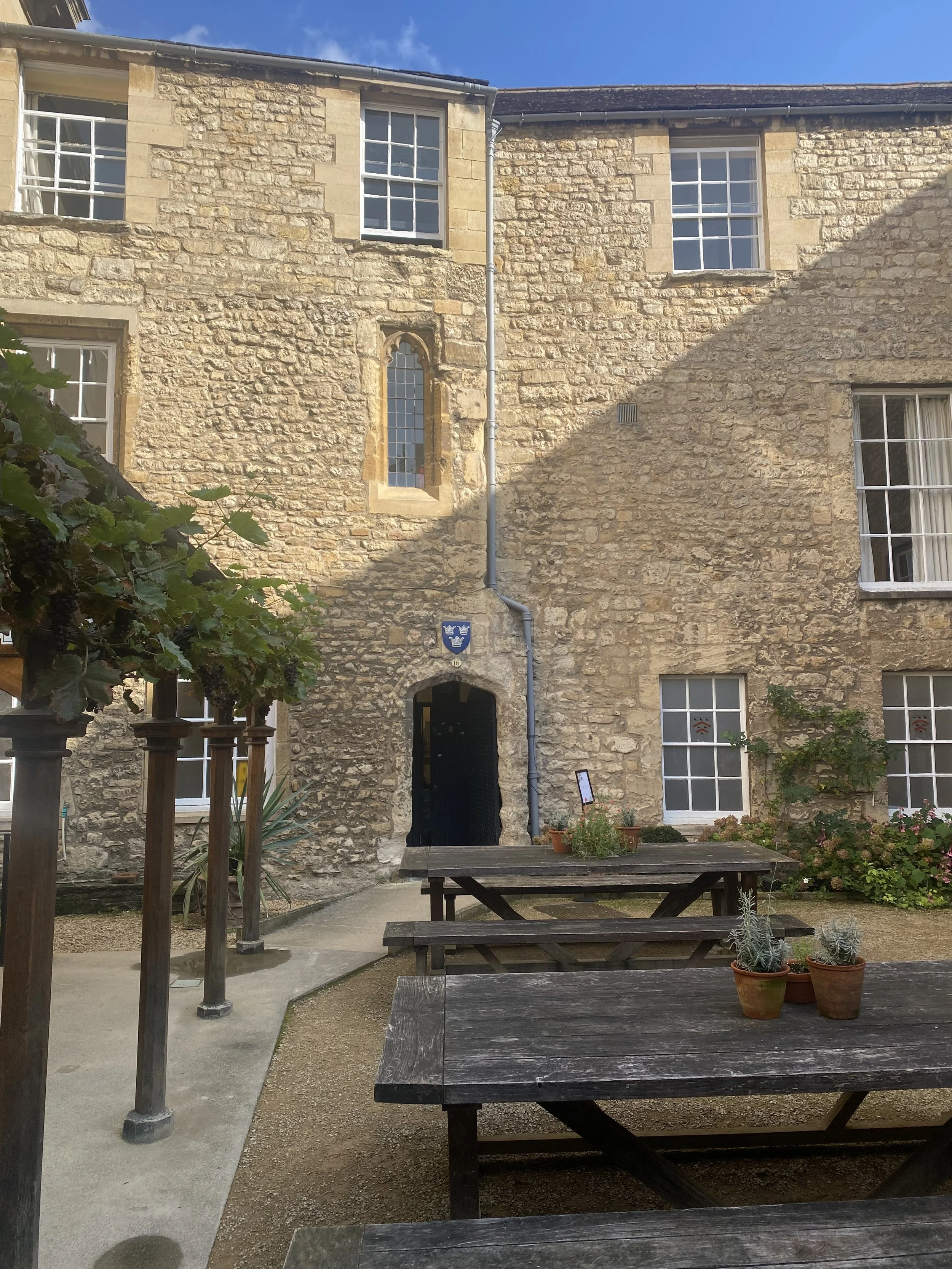
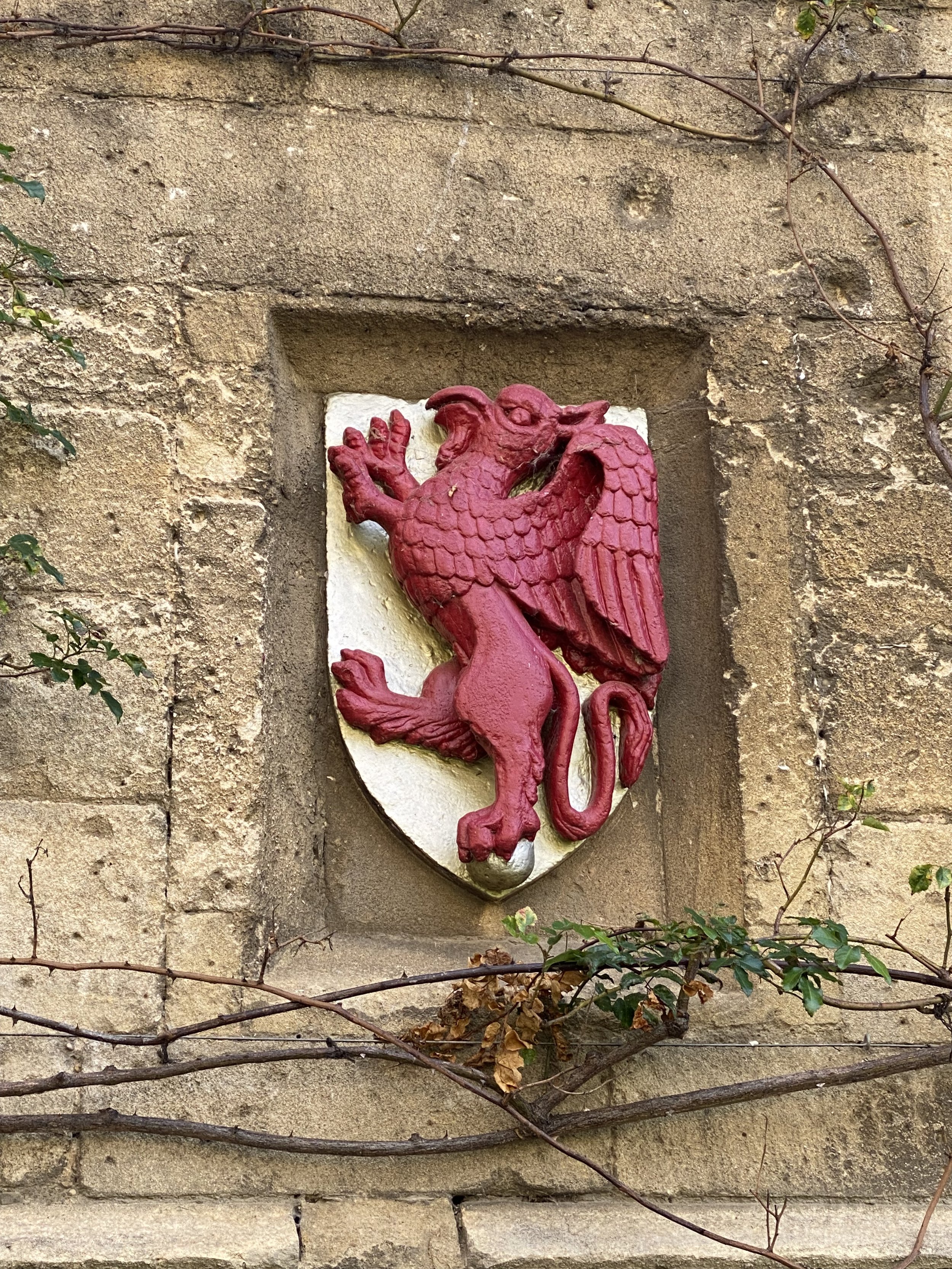
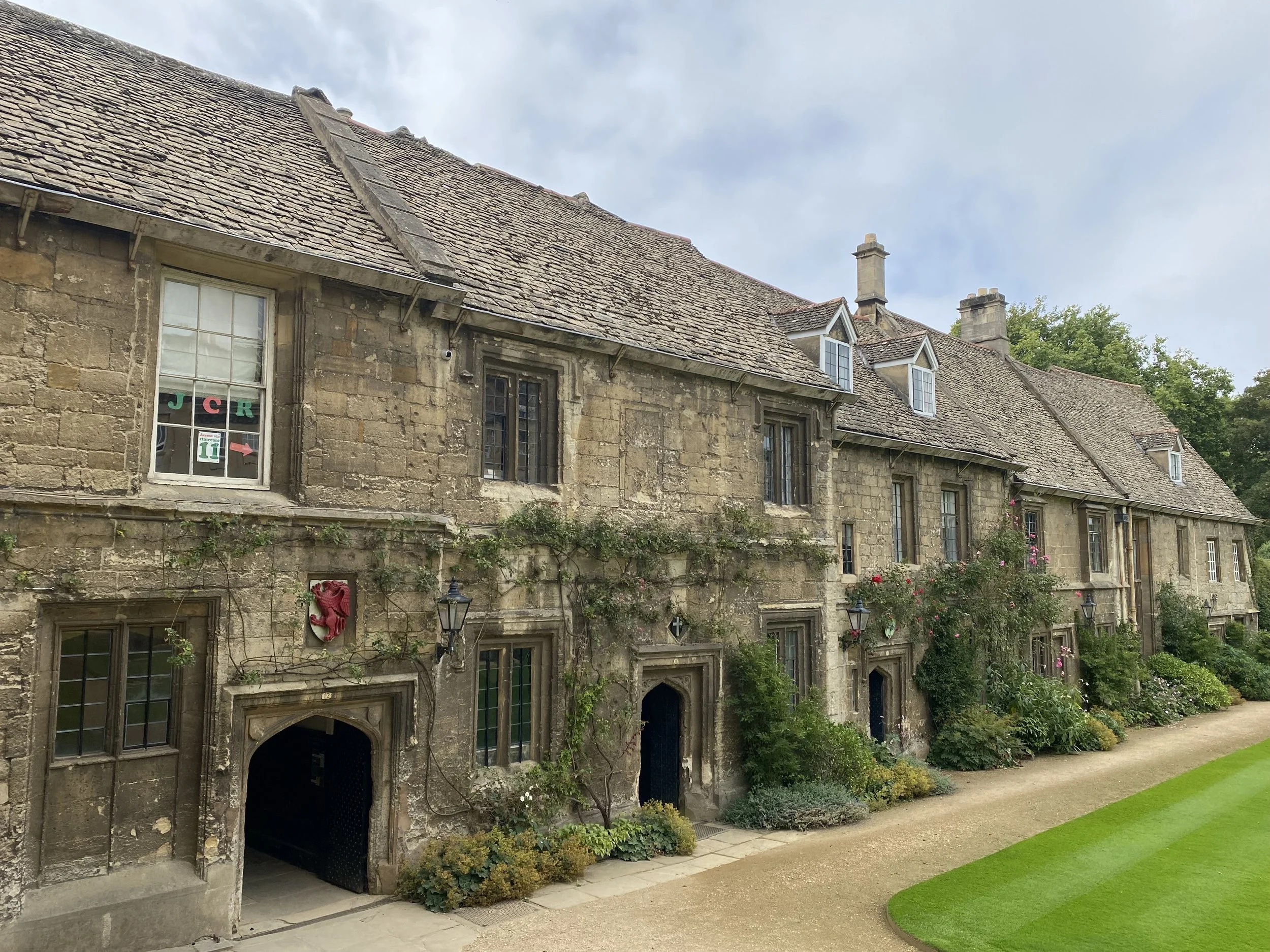
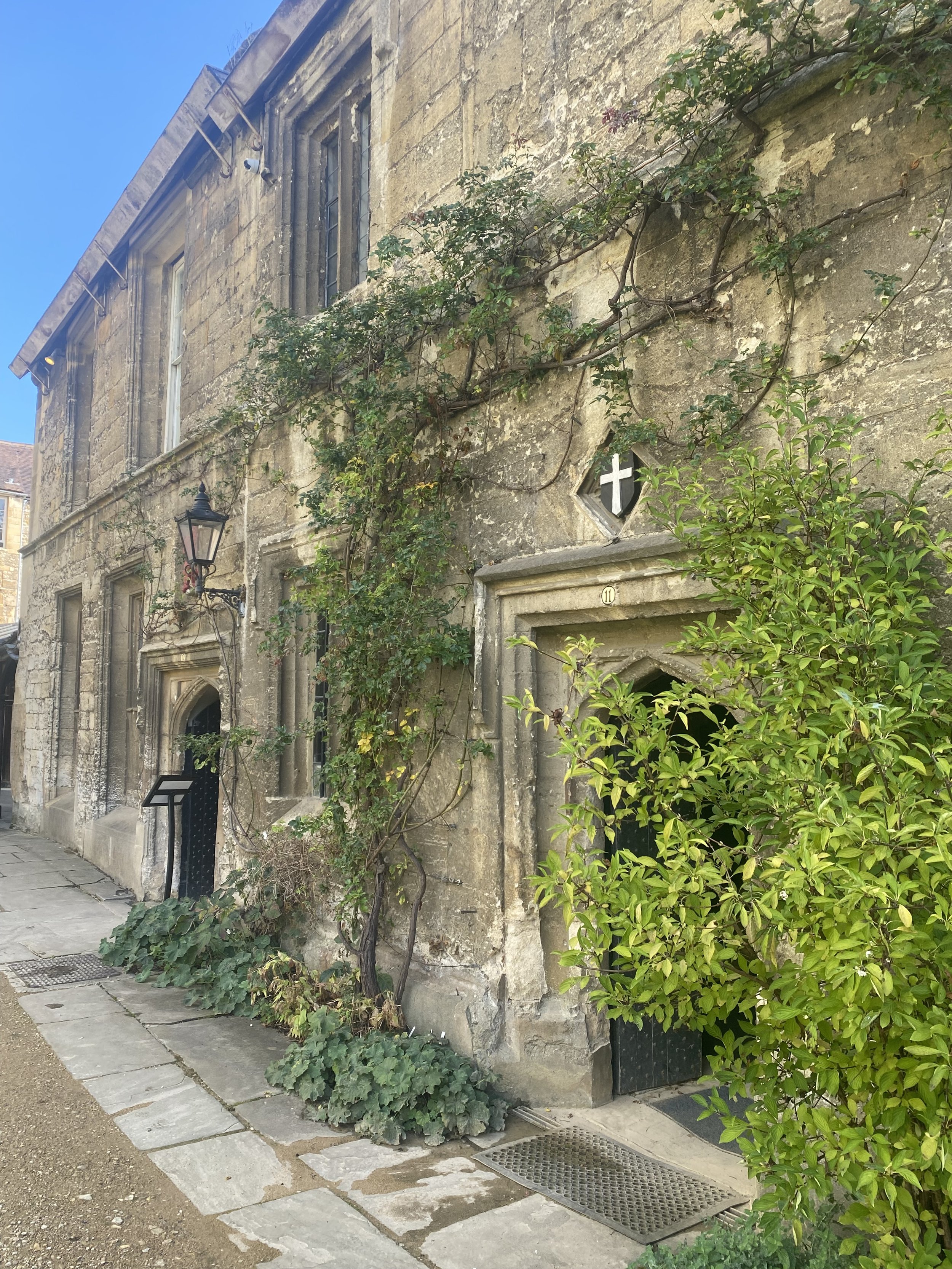
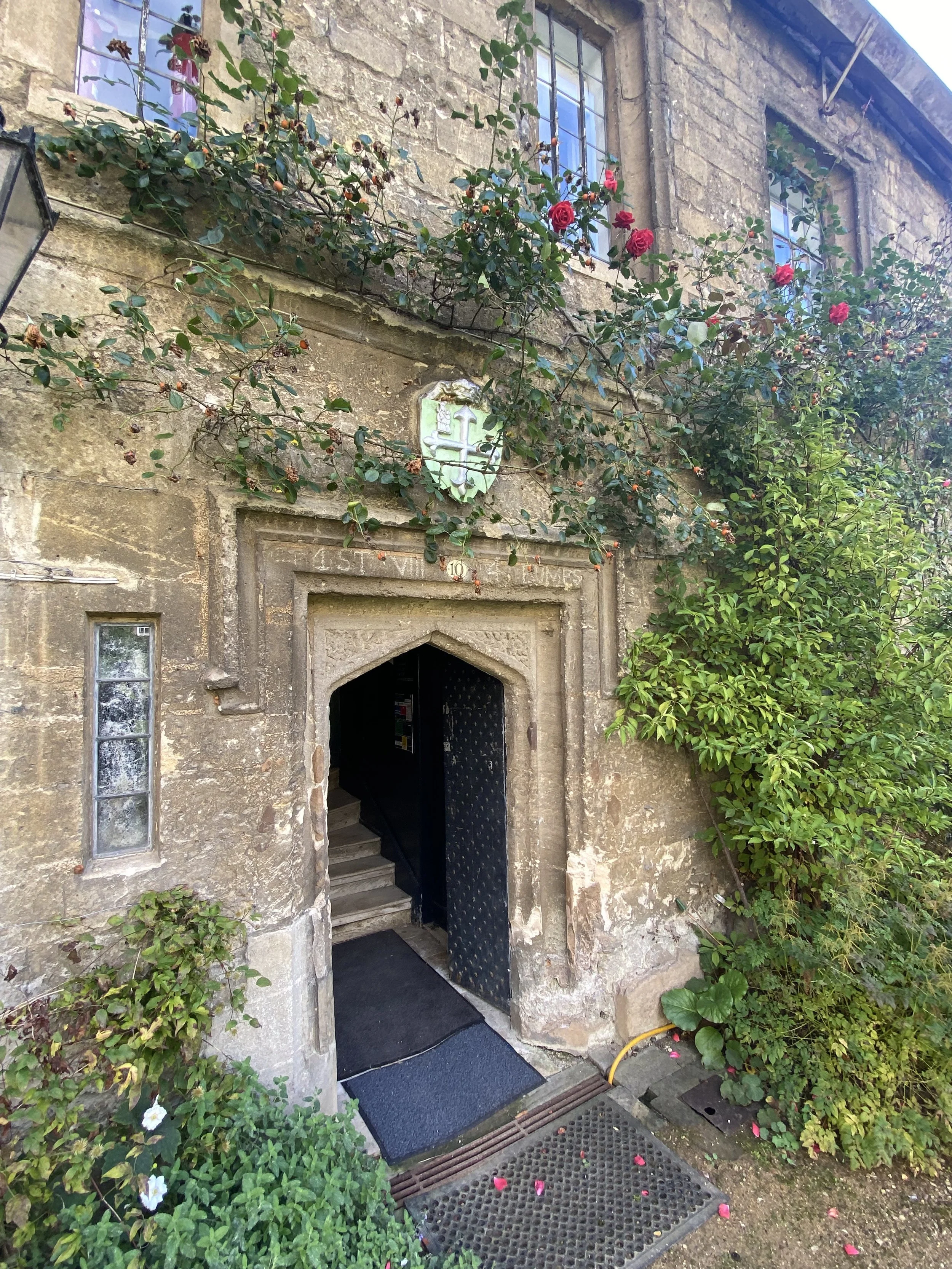
Long before Worcester existed, this site belonged to Gloucester Hall, founded in the late 13th century for Benedictine monks. They came from monasteries across England to study in Oxford, bringing with them a way of life shaped by routine—prayer, learning, and shared community. Although the Hall was dissolved during the Reformation, traces of that earlier world still linger. You notice it most clearly in Pump Quad. Parts of the medieval buildings survive here, and the atmosphere feels noticeably more enclosed and quiet than elsewhere in the college. The old buttery is still visible—a reminder of the rhythms of daily life—and above the stairwells are carved coats of arms representing the abbeys that once sent monks here: Bury St Edmunds, Glastonbury, Ramsey, St Albans, Winchcombe. They’re easy to miss at first glance, but once you spot them, they quietly reframe the space. This isn’t just decoration; it’s a record of a much wider network of monastic learning that Worcester ultimately grew out of.
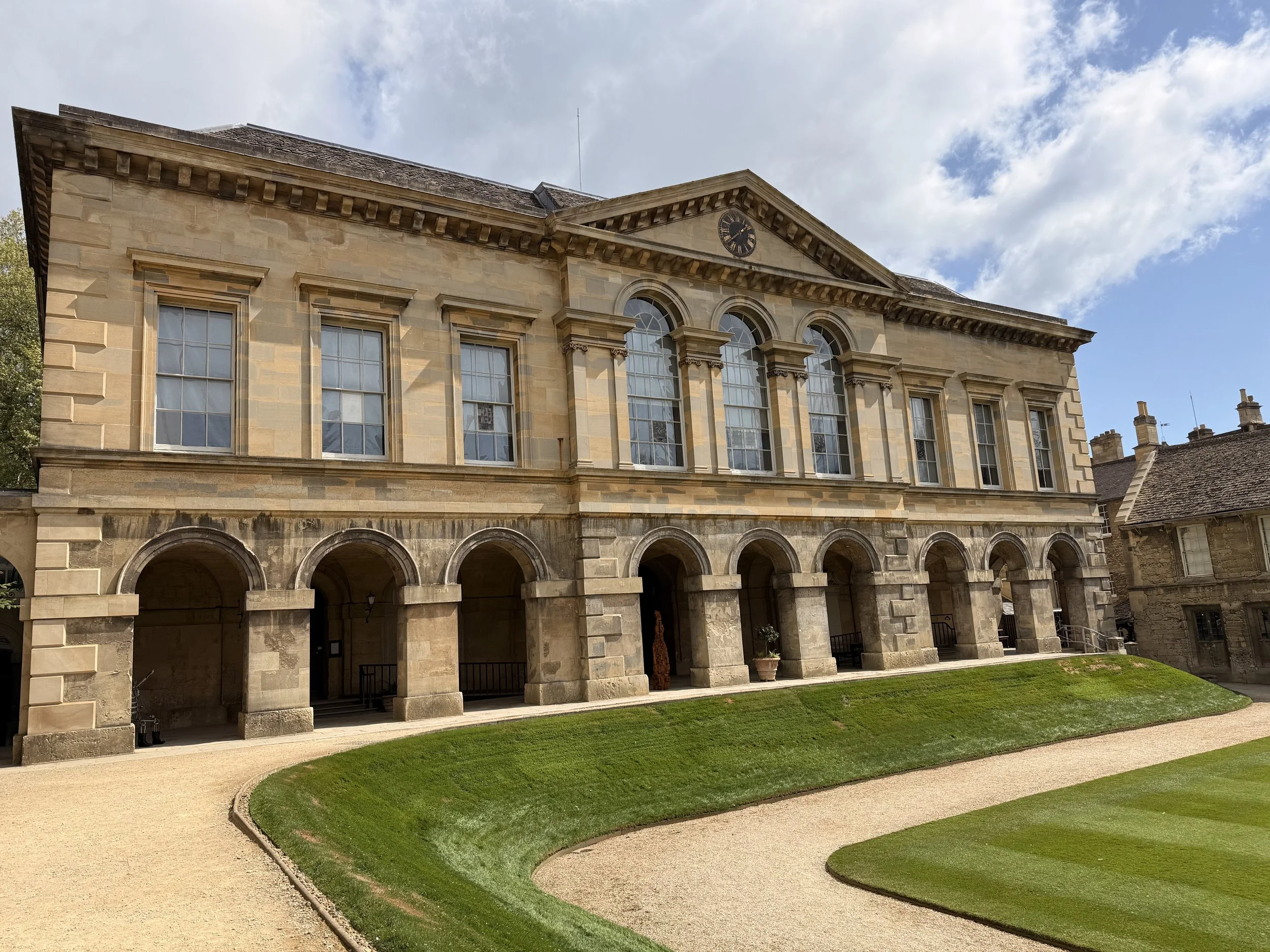
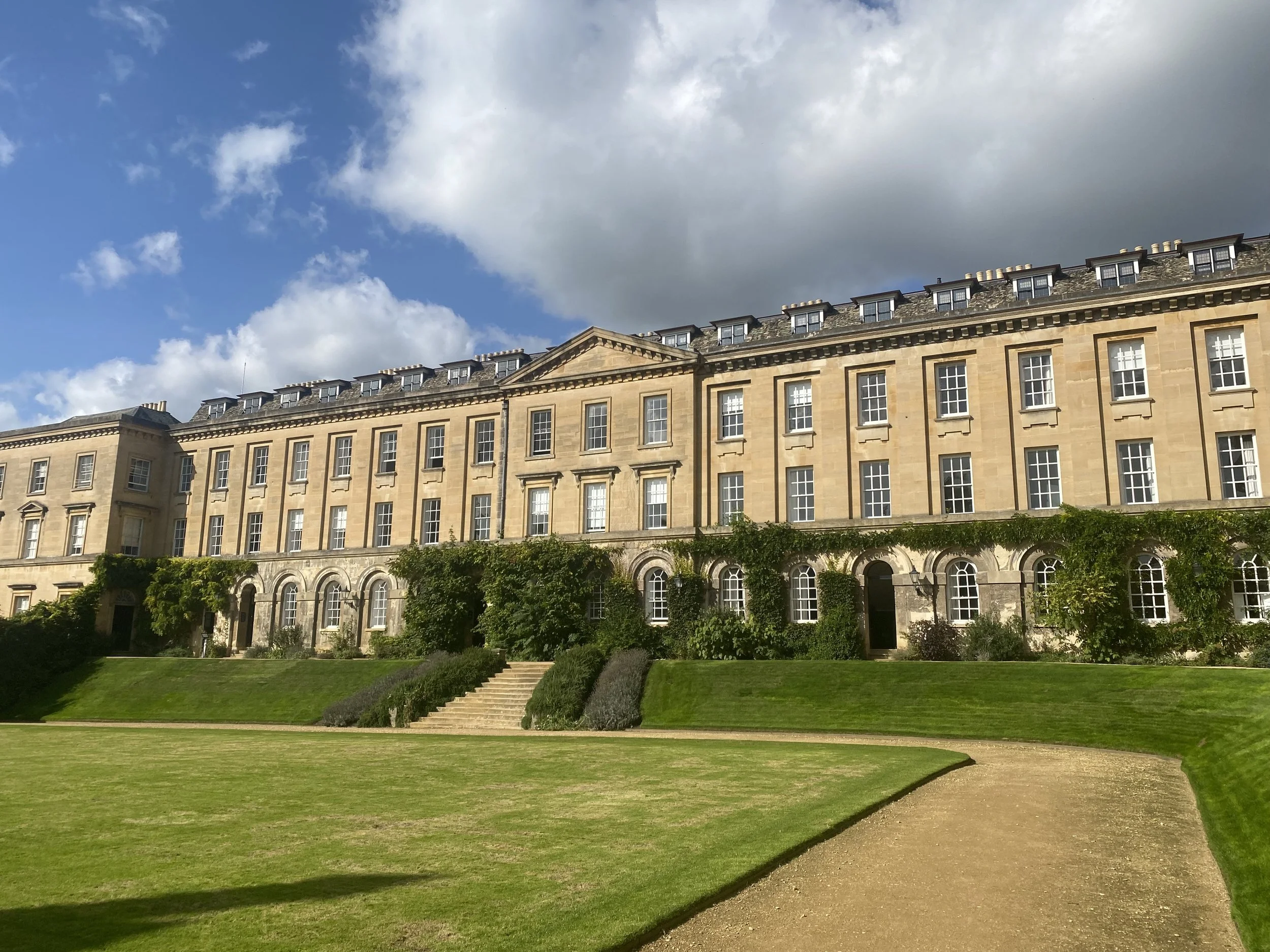
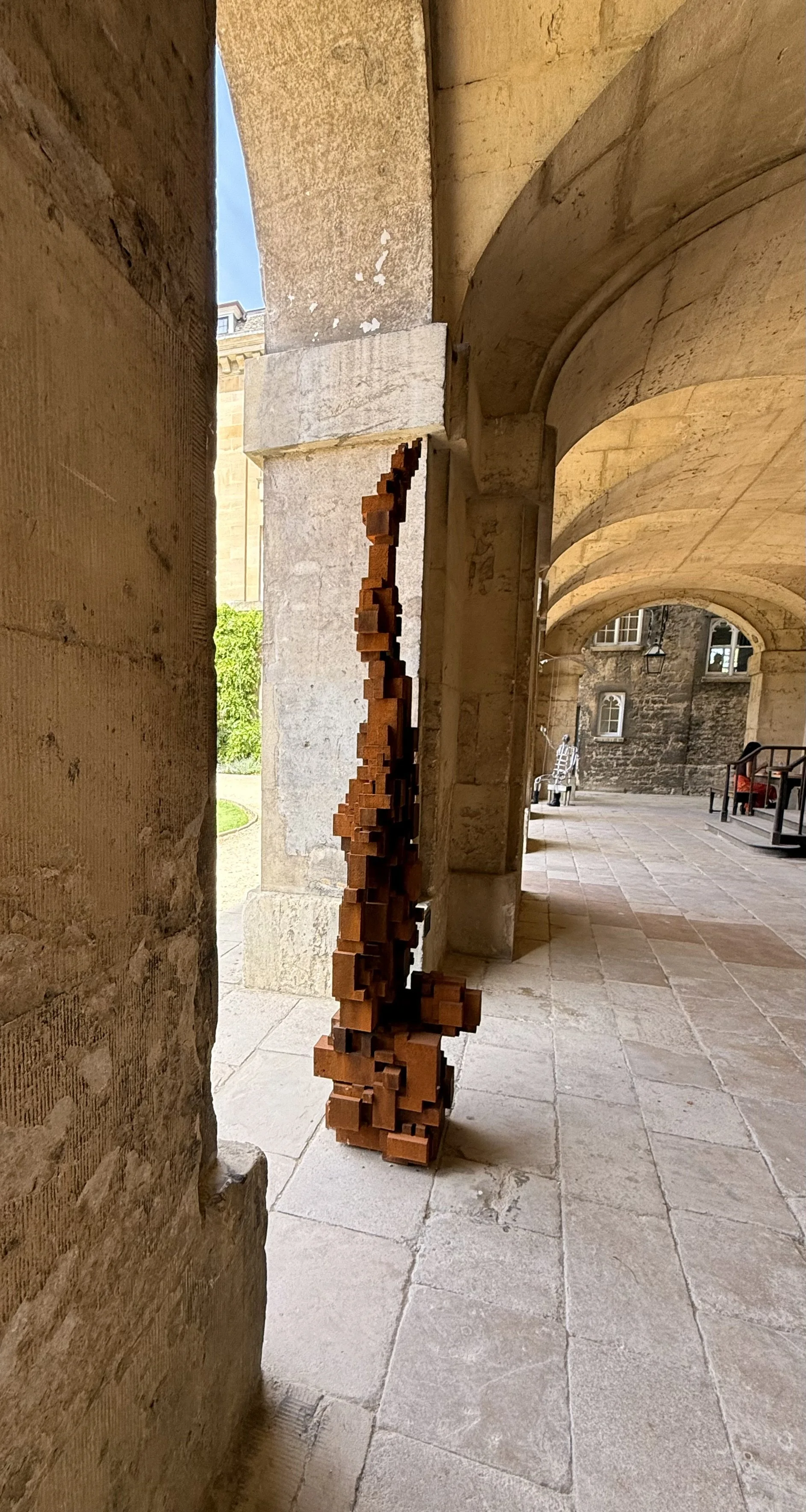
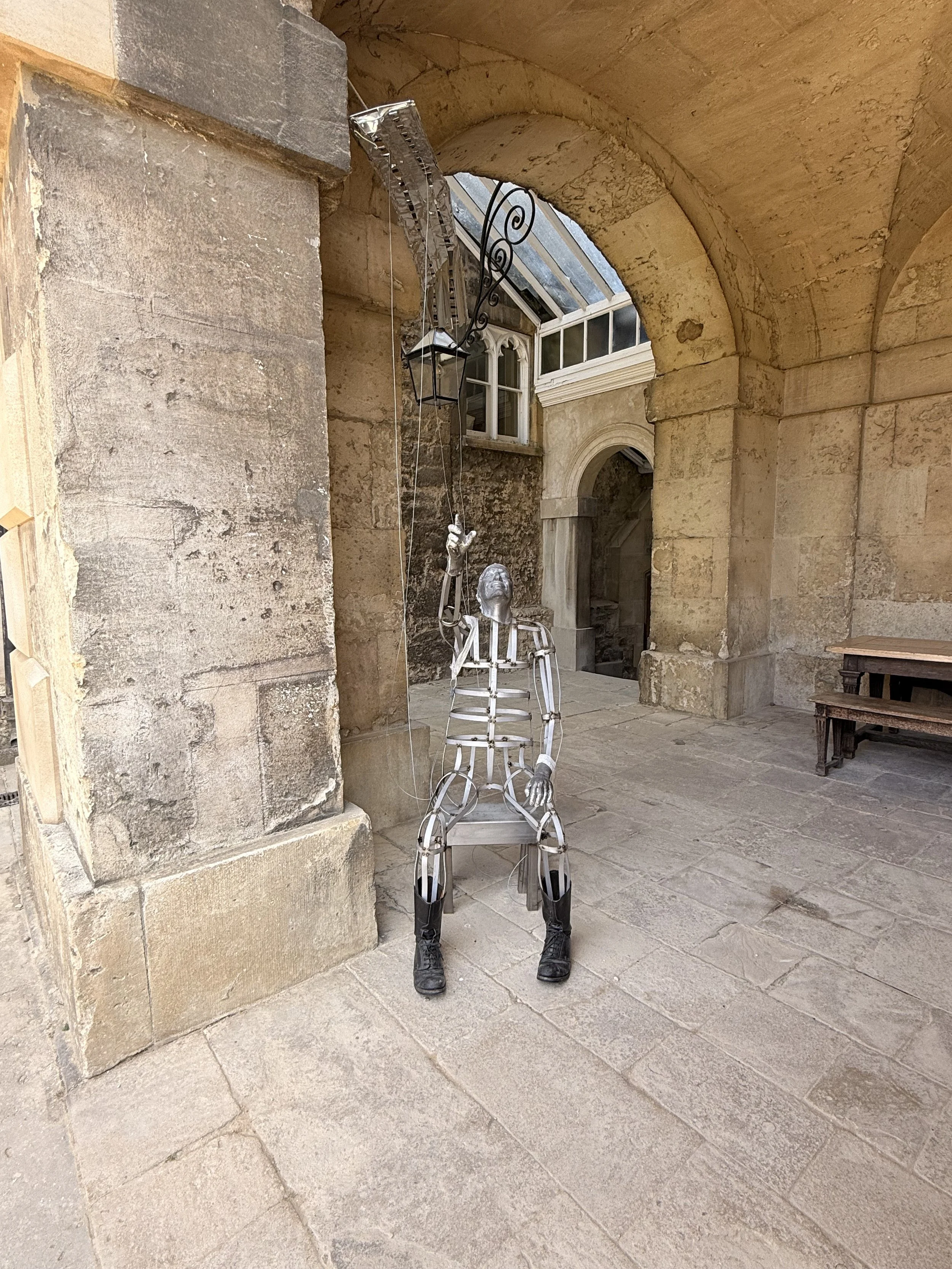
The Front Quad, by contrast, feels ordered and deliberate. At first glance it’s all symmetry and calm proportion, though even here there are small quirks. The lawn, for instance, is still protected by a by-law dating back to 1785—originally enforcing a fine for anyone who dared to walk on it. The surrounding buildings, including the Hall and Chapel, date from the early eighteenth century and establish a kind of architectural rhythm that carries through the rest of the college.
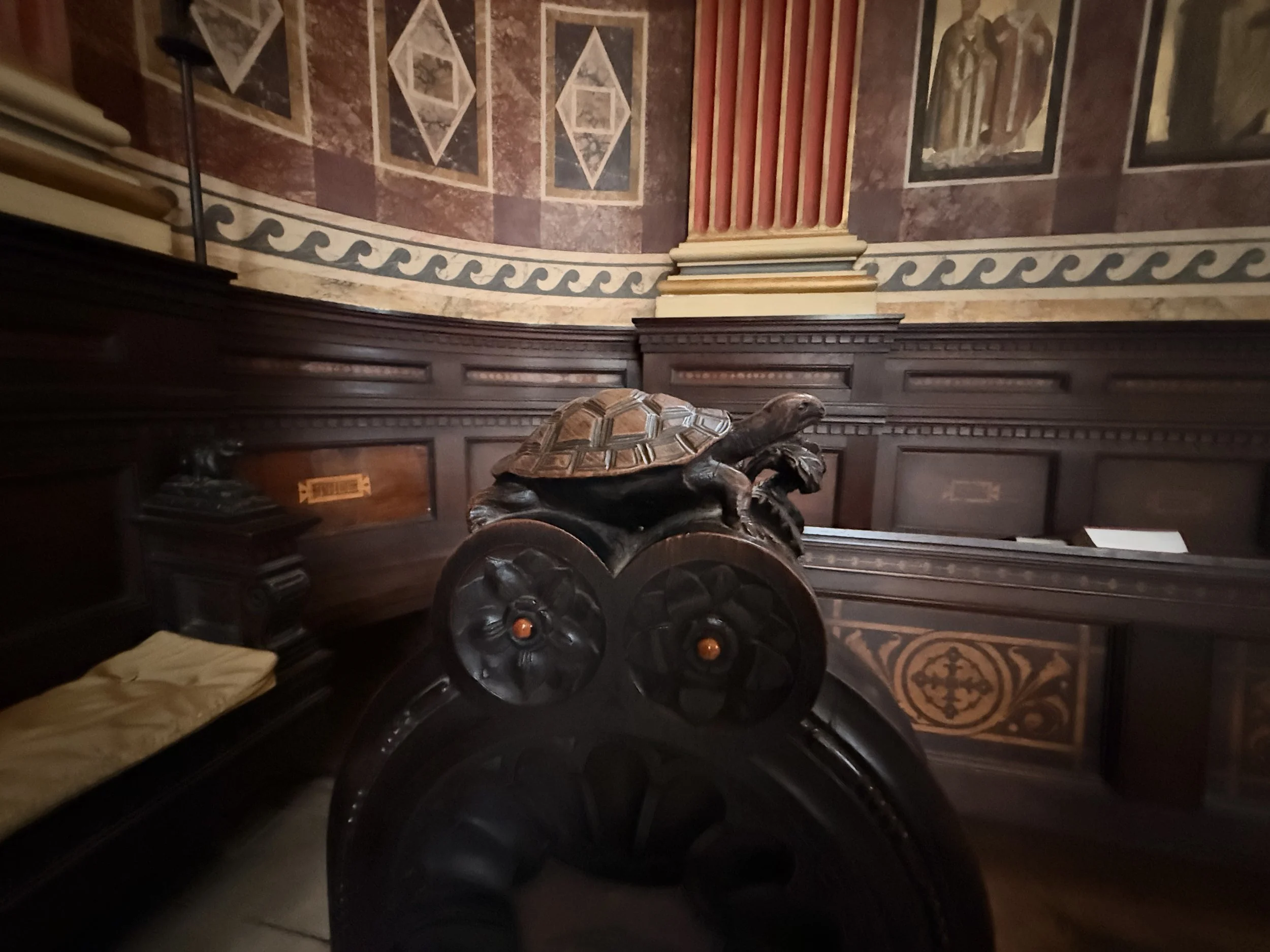
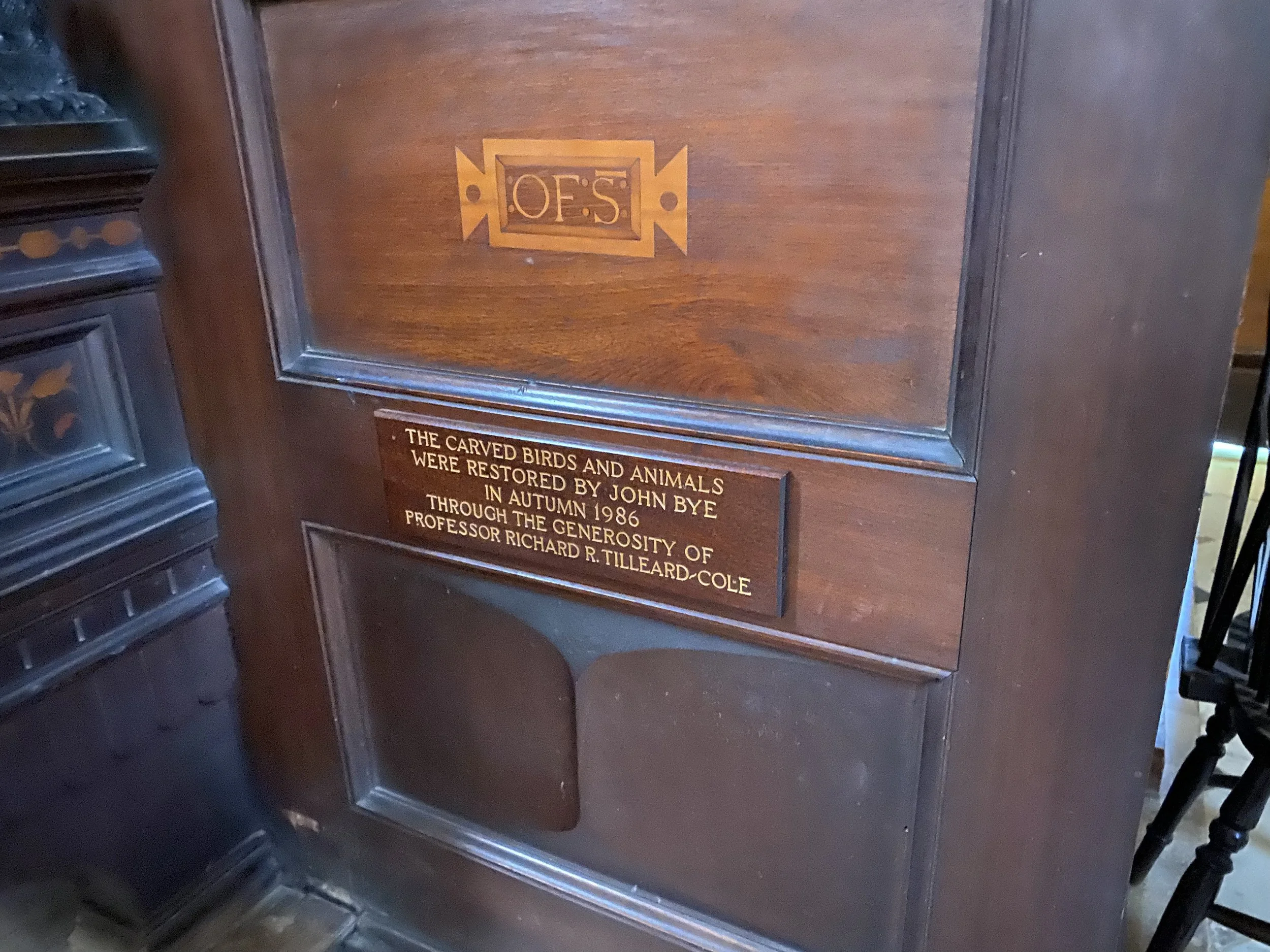
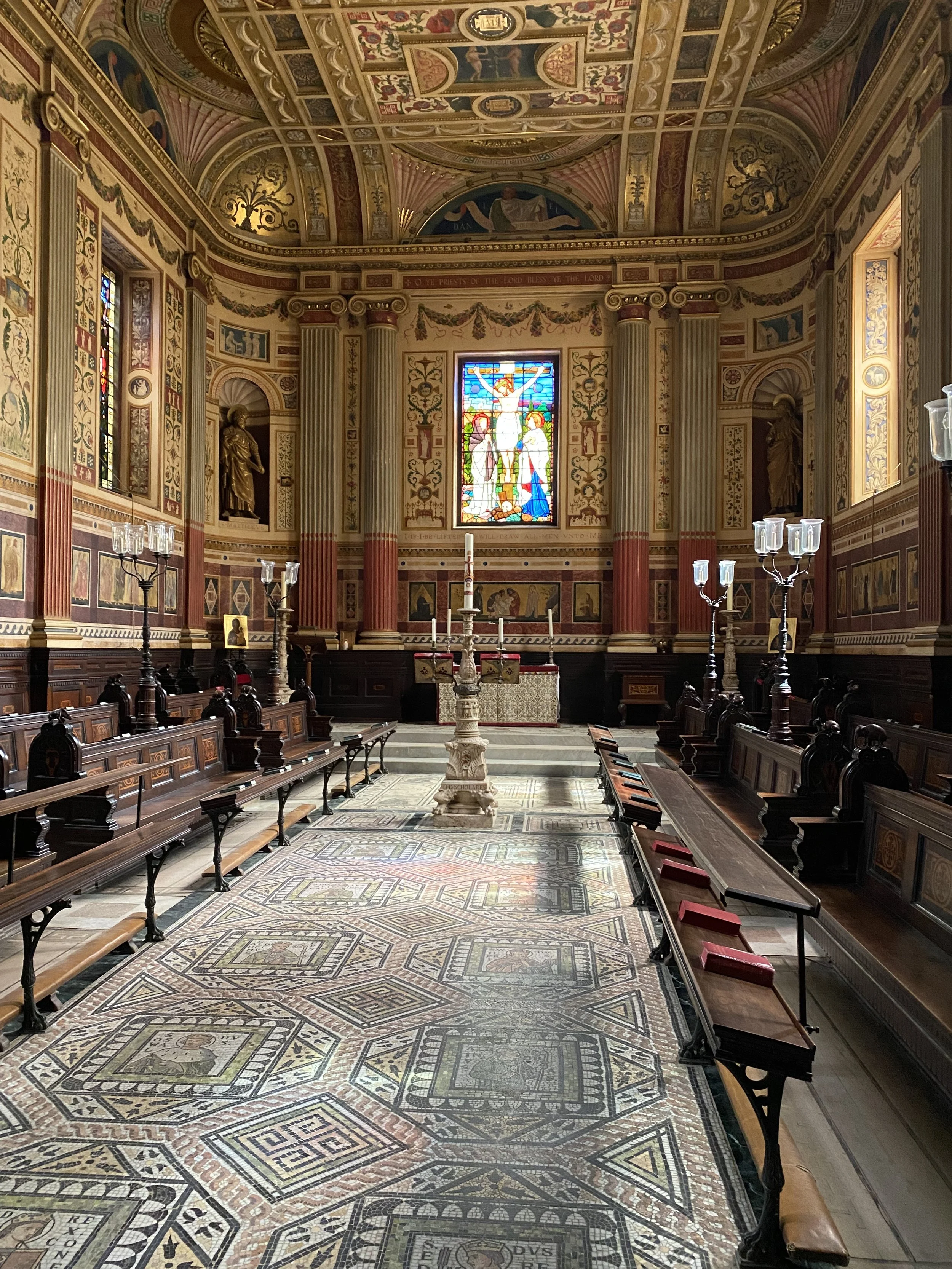
Inside the Chapel, though, things shift quite dramatically. What began as a relatively restrained 18th-century space was later transformed by William Burges into something far richer and more idiosyncratic. Colour, symbolism, and a certain sense of humour appear everywhere—gold leaf, painted surfaces, intricate mosaics, and details that only really reveal themselves if you slow down. The stained-glass windows, designed by Henry Holiday, add another layer. Holiday illustrated The Hunting of the Snark, and Lewis Carroll himself was a regular visitor to Worcester. It’s hard not to think of the poem’s closing line—“For the Snark was a Boojum, you see”—with its strangely playful sense of disappearance. There’s something of that same tonal shift in Burges’s work here: moments that feel decorative at first, but carry a slightly unexpected weight underneath. Along the backs of the pews runs the text of the Te Deum, unfolding line by line until it culminates in the final word—“God”—placed behind the Provost’s seat. It’s theatrical, deliberate, and perhaps just a little mischievous. Even the carved animals—tortoise, pangolin—seem to contribute to this sense that the Chapel doesn’t take itself entirely at face value.
That blend of seriousness and imagination continues in the library. Originally designed in a neoclassical style by James Wyatt, it was later enriched with decoration inspired by medieval manuscripts. There’s a clear respect for scholarship here, but also an awareness that learning can be a creative act rather than a purely formal one. The archives themselves stretch outward into broader history, connecting Worcester to wartime experiences and to individuals whose lives took them far beyond Oxford.
The Dining Hall returns to something more restrained. Dating from the 18th century and restored along its original lines, it has a quieter kind of grandeur. Its stained-glass window draws on scenes from Homer, Shakespeare, and Milton—a reminder that conversation and literature have always been closely tied to college life. Even now, during formal dinners, that sense of continuity is still very much present.
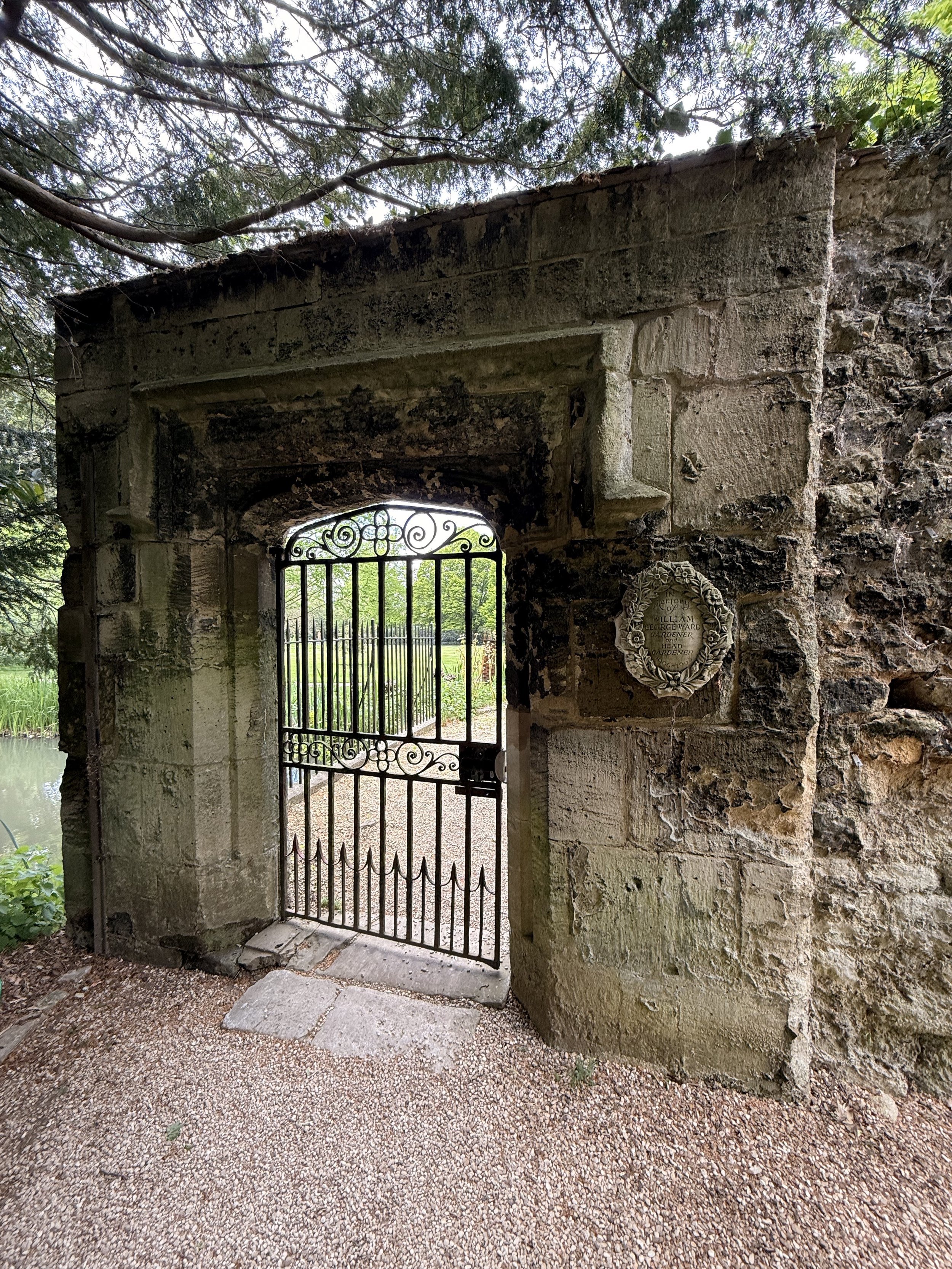
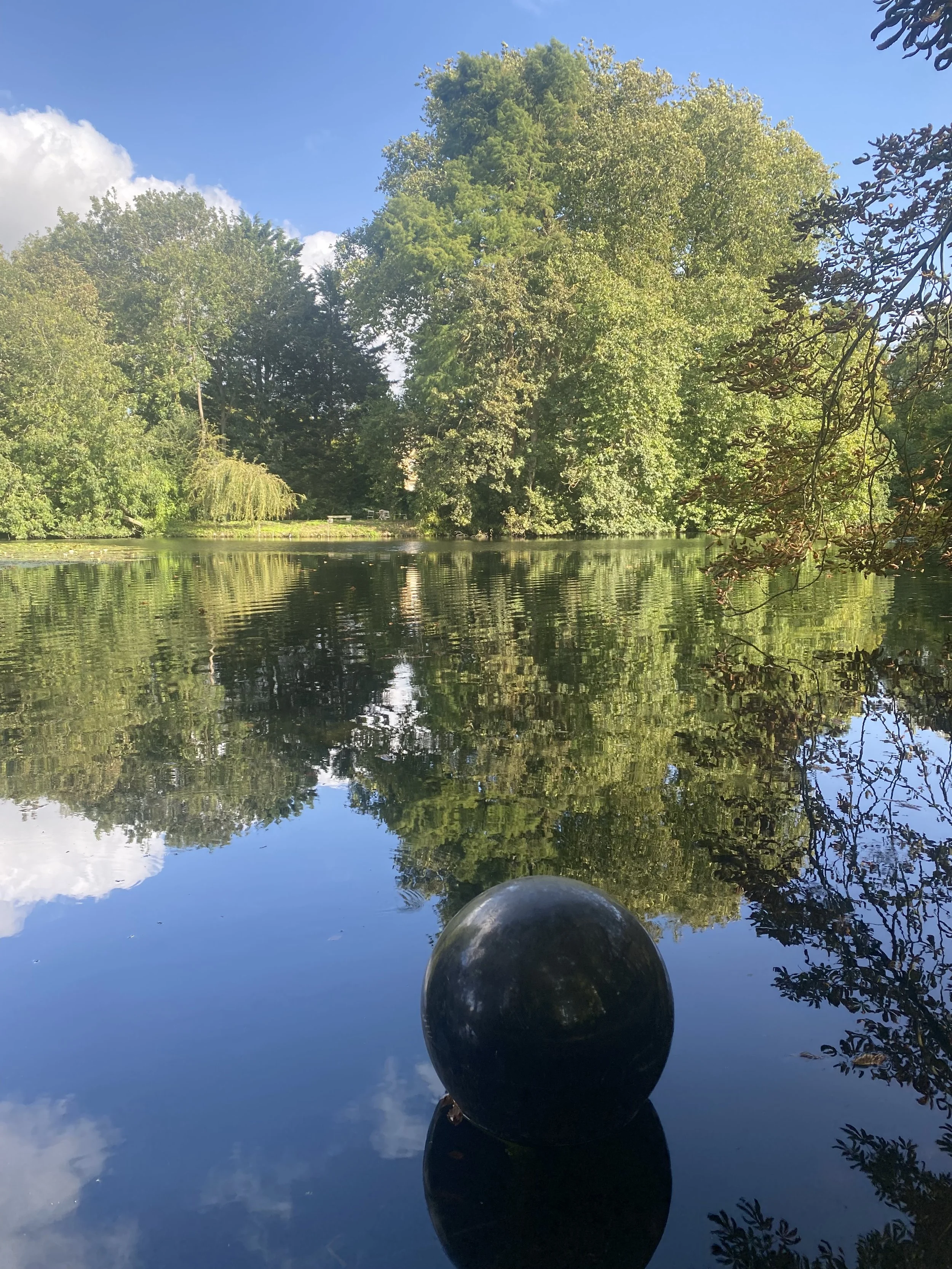
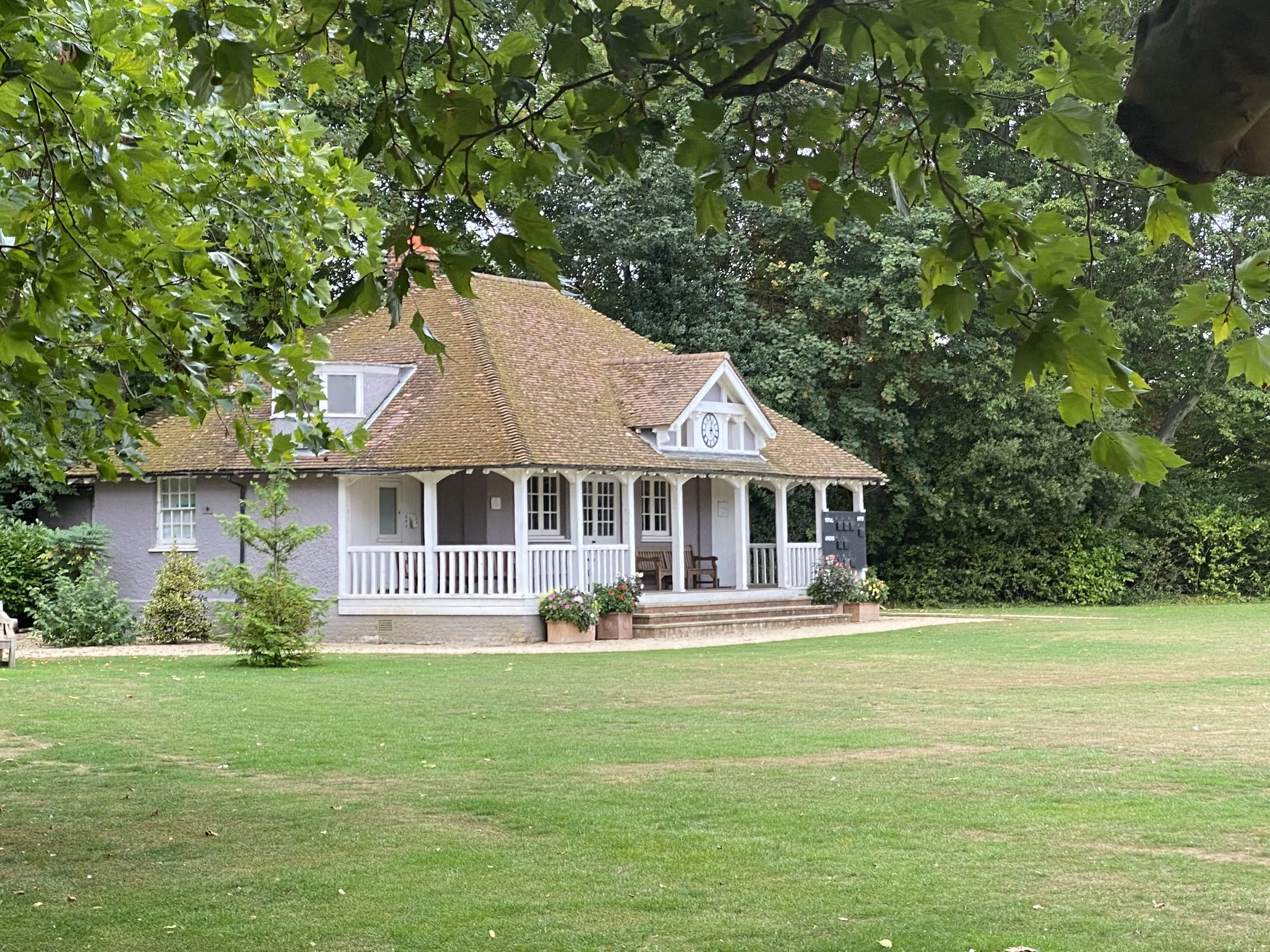
And then there are the gardens, which are perhaps Worcester’s most distinctive feature. Covering 26 acres, they’re the largest of any Oxford college, and they feel expansive in a way that’s unusual for the city. Designed in the picturesque style, they favour movement and variation over strict order—winding paths, shifting views, and a careful balance between cultivation and something closer to the natural. In spring, the ground is scattered with snowdrops. By summer, the borders are full of colour. The orchard produces apples and pears that are turned into juice to support the gardens themselves, which is a pleasingly self-contained cycle. At the centre sits the lake, created in the early nineteenth century from what had once been waterlogged land. It draws everything around it into a single, calm focal point.
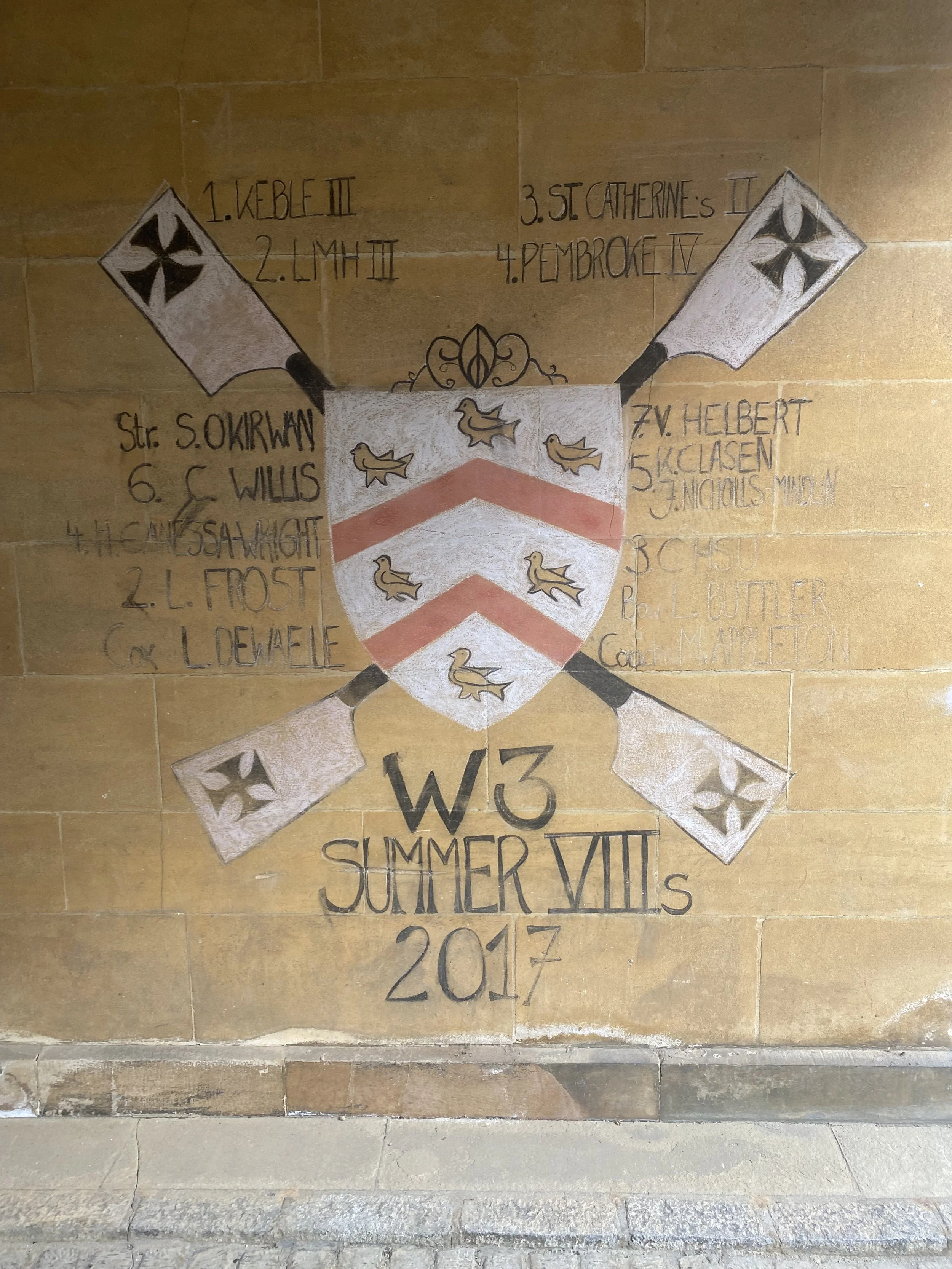
Even here, though, the past isn’t far away. The land beyond the lake was once used for grazing the Provost’s cattle, and later reshaped by students into sports grounds. At one point it even became a stage: theatrical productions used the water to create the illusion of actors walking across its surface. The Buskins, Worcester’s drama society, founded in 1902, carried that tradition forward. In the 1930s, a production of The Tempest saw Caliban emerging directly from the lake while other cast members were rowed away by the Boat Club—an image that seems entirely in keeping with the college’s slightly unexpected character.
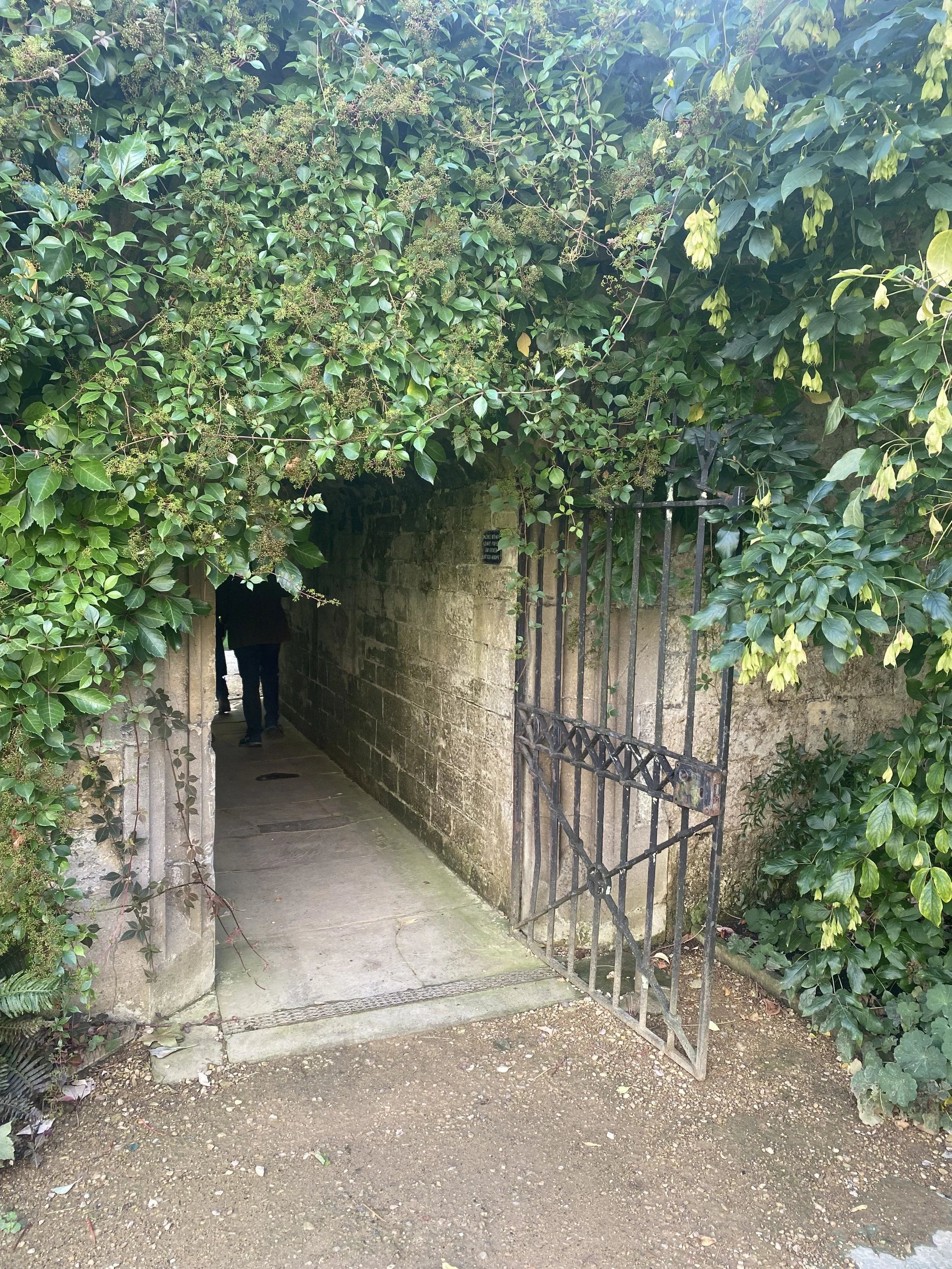
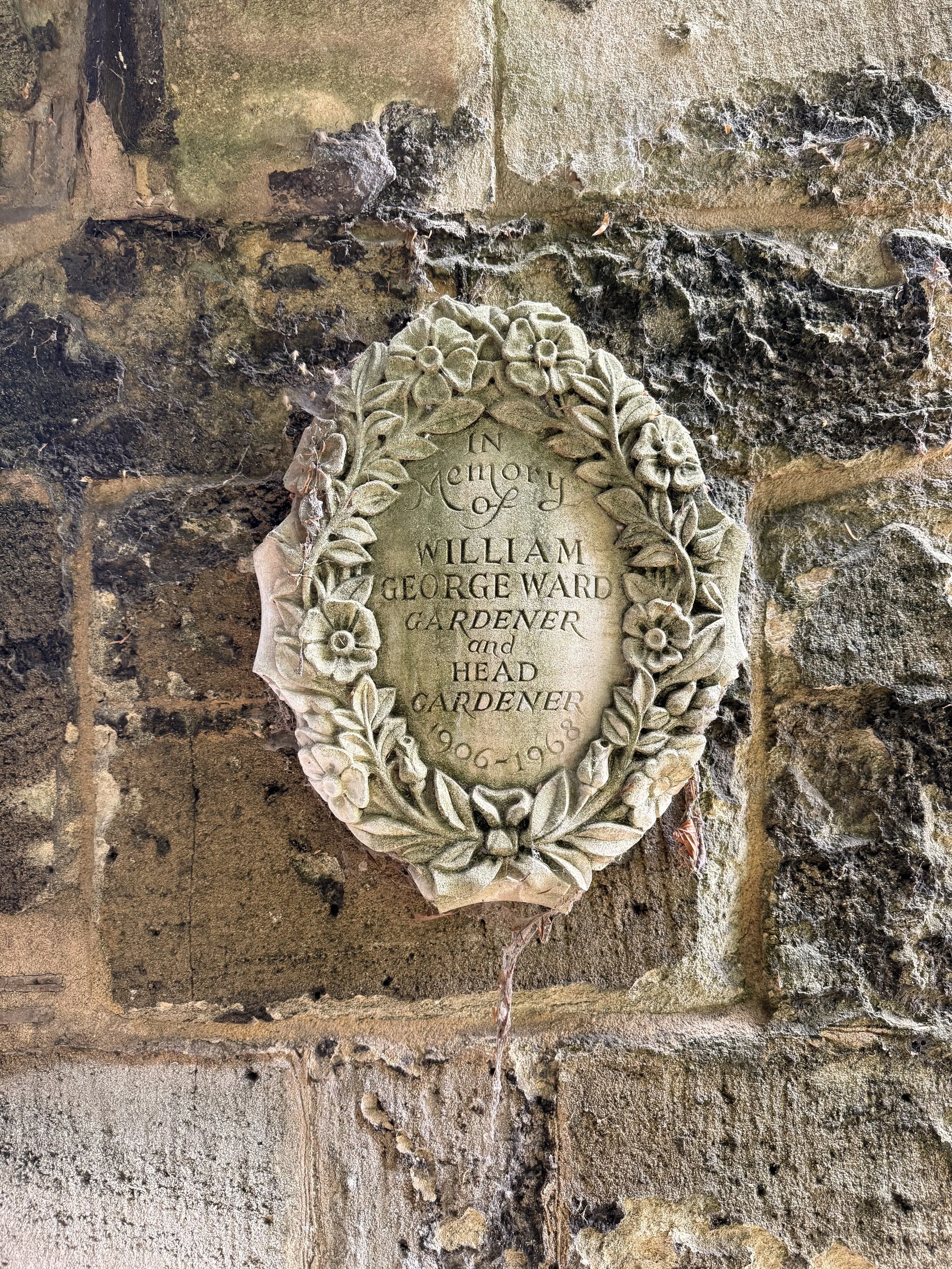
There are smaller curiosities too. A long-standing rumour suggests that a subterranean passage here may have helped inspire Lewis Carroll’s rabbit hole in Alice’s Adventures in Wonderland. Whether or not that’s true, it feels plausible. Worcester has a way of encouraging that kind of speculation—quietly blurring the line between history and story. What stays with you most, though, is the atmosphere. Worcester isn’t a college that reveals itself all at once. It’s slower than that. Details emerge gradually—the carvings, the inscriptions, the small traces of earlier lives. It rewards attention.
For anyone looking to see a different side of Oxford—less crowded, more reflective, and perhaps a little more surprising—Worcester College is a very good place to start.