Cornwall
The West Coast and Penwith: Land’s End, Coastal Walks, History, and Cornish Legends
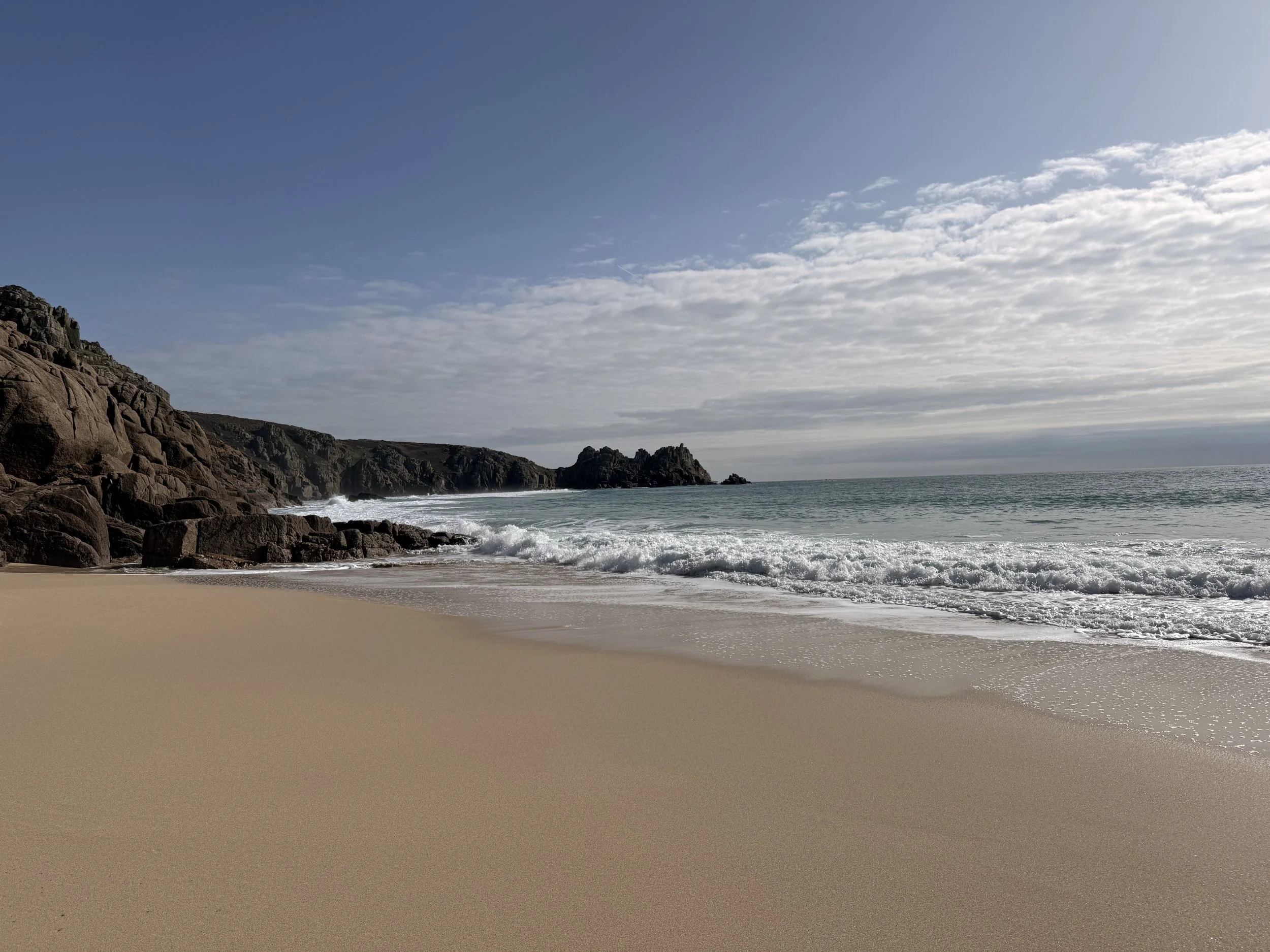
Penwith, at Cornwall’s far western tip, is a place of striking wildness, where sheer granite cliffs plunge into a turquoise Atlantic. Shaped by wind and water, this elemental landscape carries a constant sense of standing at the very edge of both land and story.
The South West Coast Path winds through this rugged terrain, revealing seabird colonies, storm‑sculpted headlands, and the rare Cornish chough, its red bill flashing against the sky. Many of these routes follow ancient tracks once used by smugglers, miners, fishermen, and pilgrims.
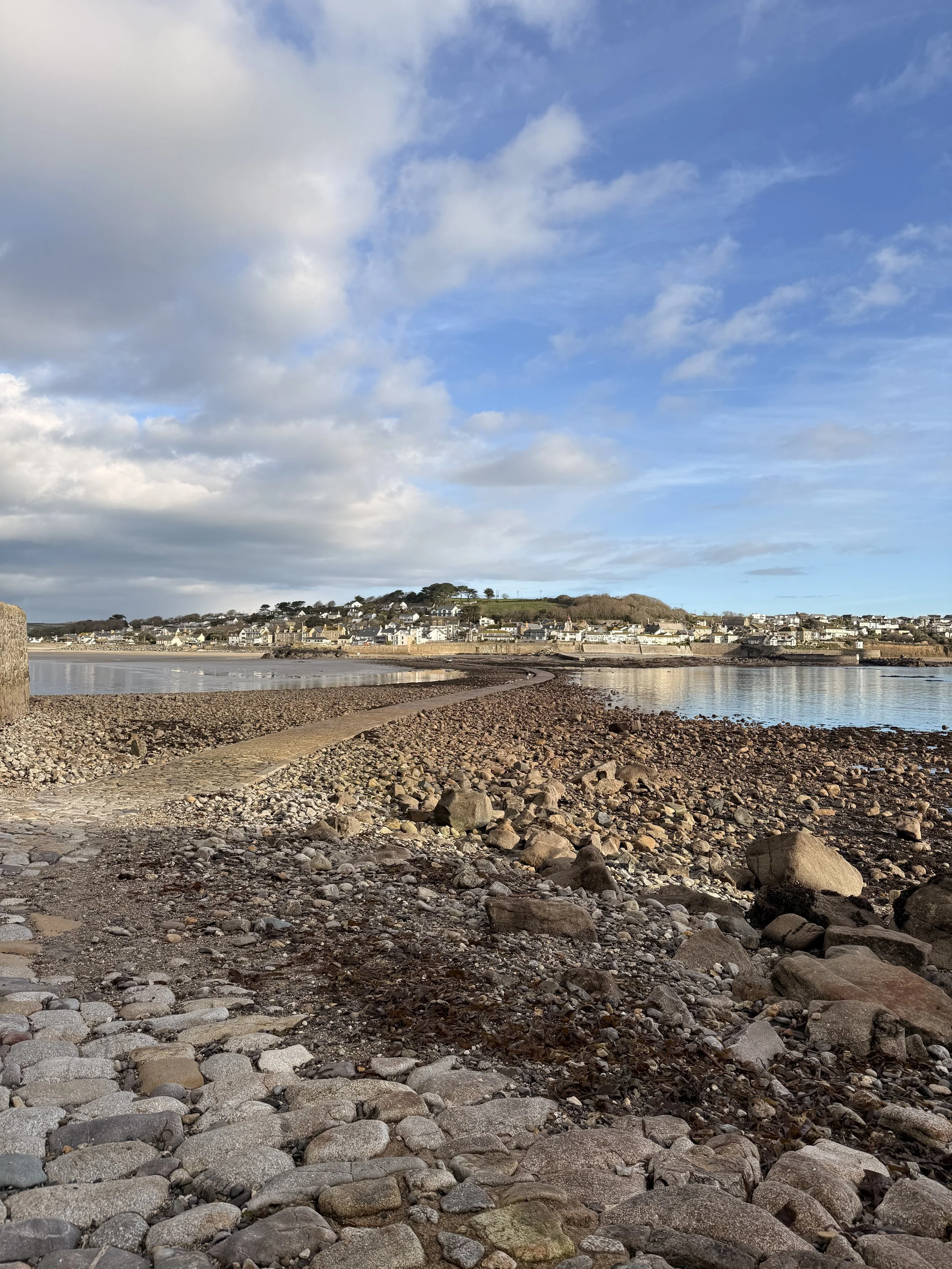
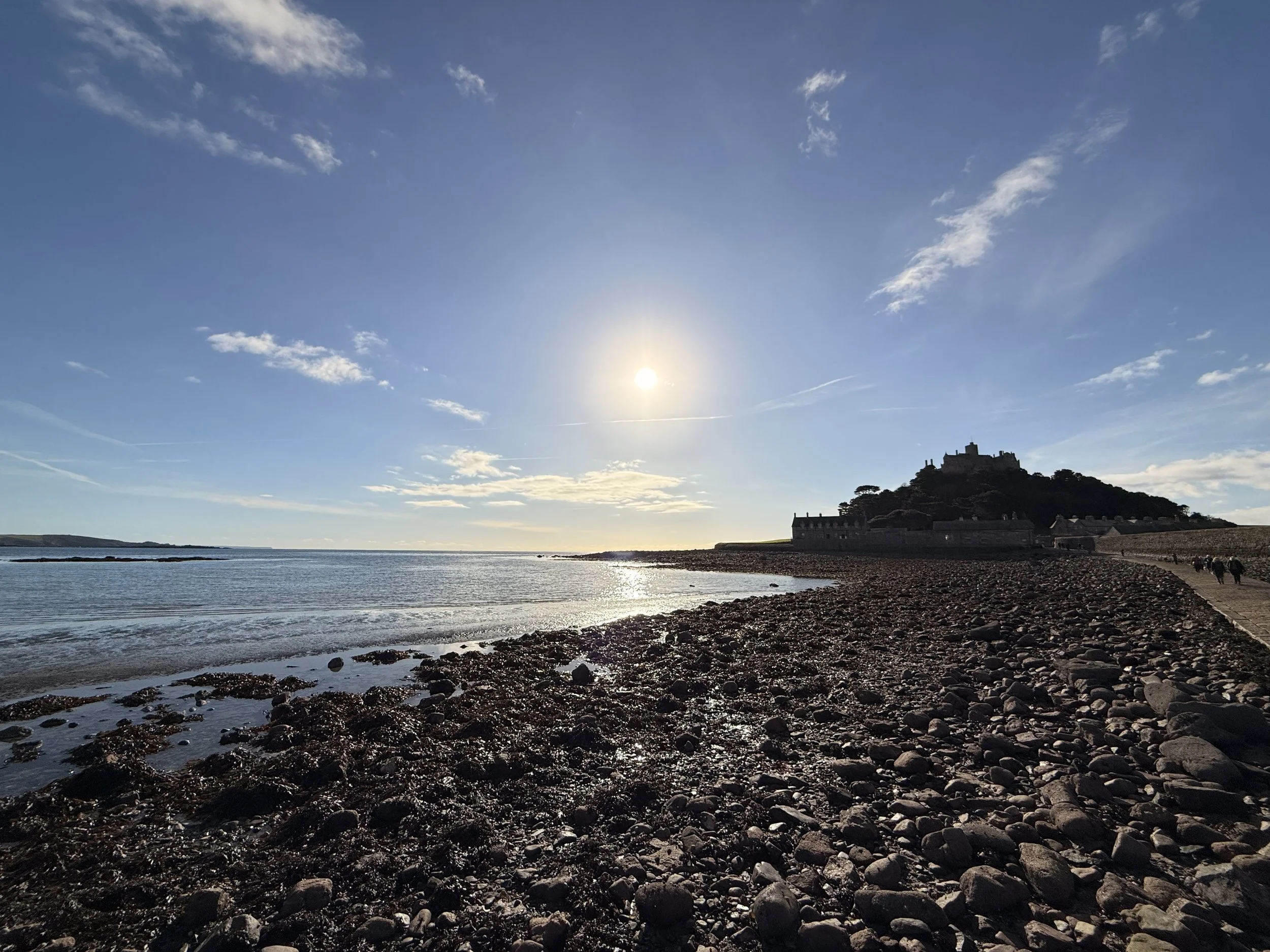
From Marazion, St Michael’s Mount rises tidally from the sands, blending legend, religion, and power. Nearby chapels, stone crosses, and cliff‑edge preaching places reflect the enduring influence of Methodism, which deeply shaped life and community across this tough peninsula.
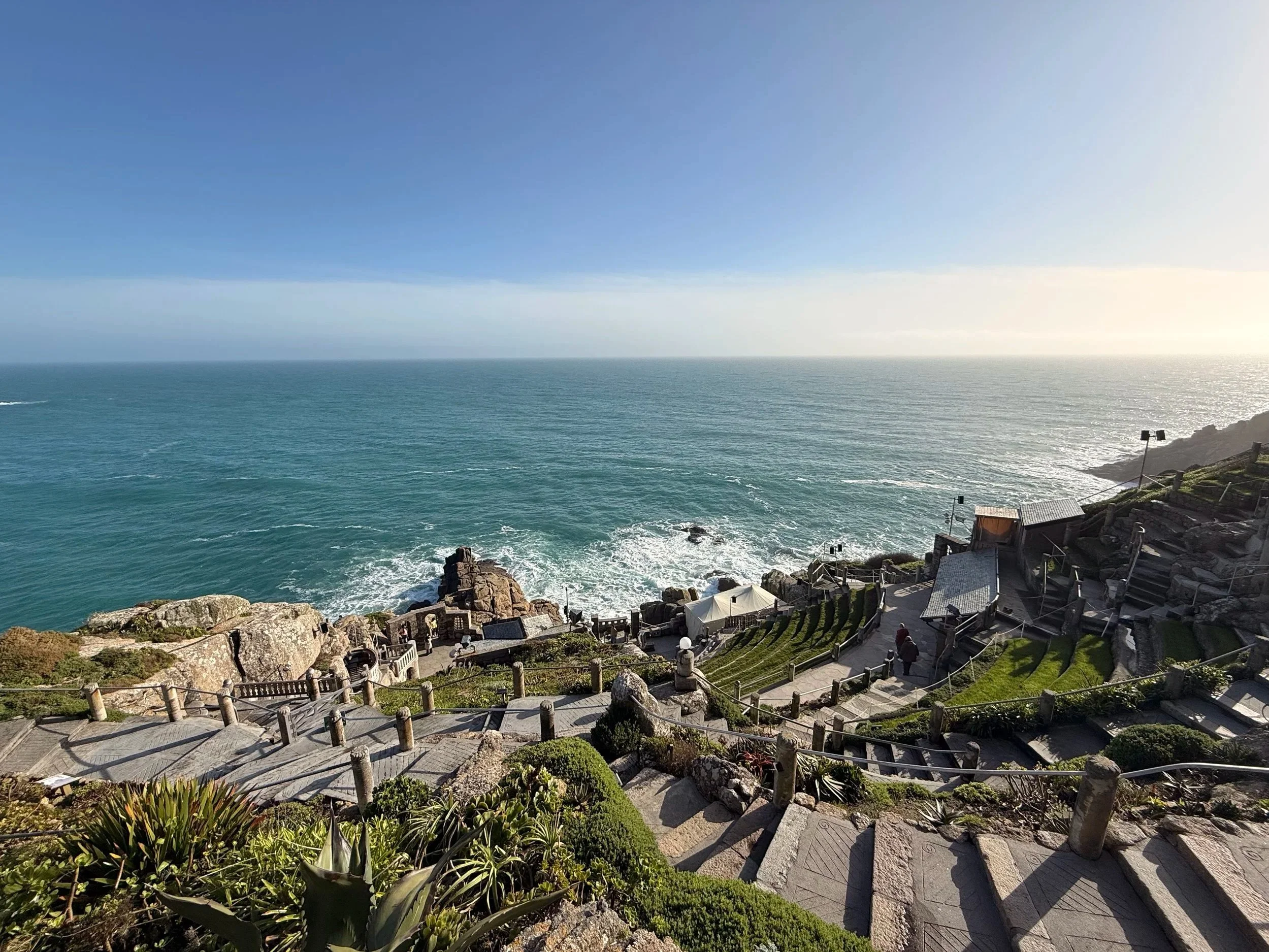
At Porthcurno, the cliff‑top Minack Theatre, carved by Rowena Cade directly into the granite, overlooks luminous water and open sky, creating one of the world’s most dramatic performance settings. Close by, the PK Porthcurno Museum reveals how this secluded cove became a vital hub for undersea telegraph cables, quietly connecting Britain to the wider world.
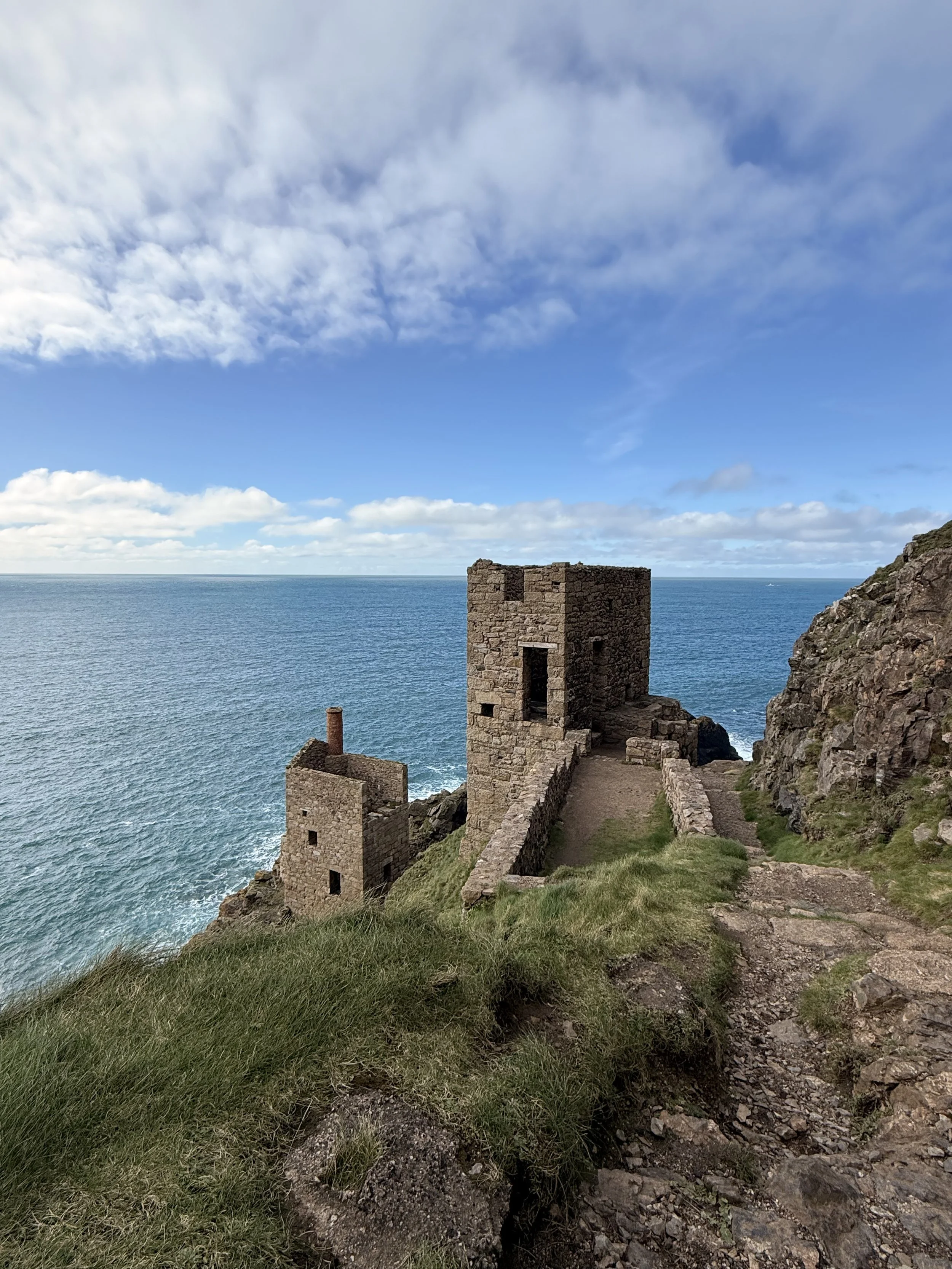
Along the north coast, the dramatic remains of Botallack Mine cling to the cliffs, famously featured in Poldark but rooted in the real hardship and resilience of Cornish mining communities. This stretch of Penwith was also home to John le Carré (David Cornwell), whose writing reflects the moral complexity of life on the margins.
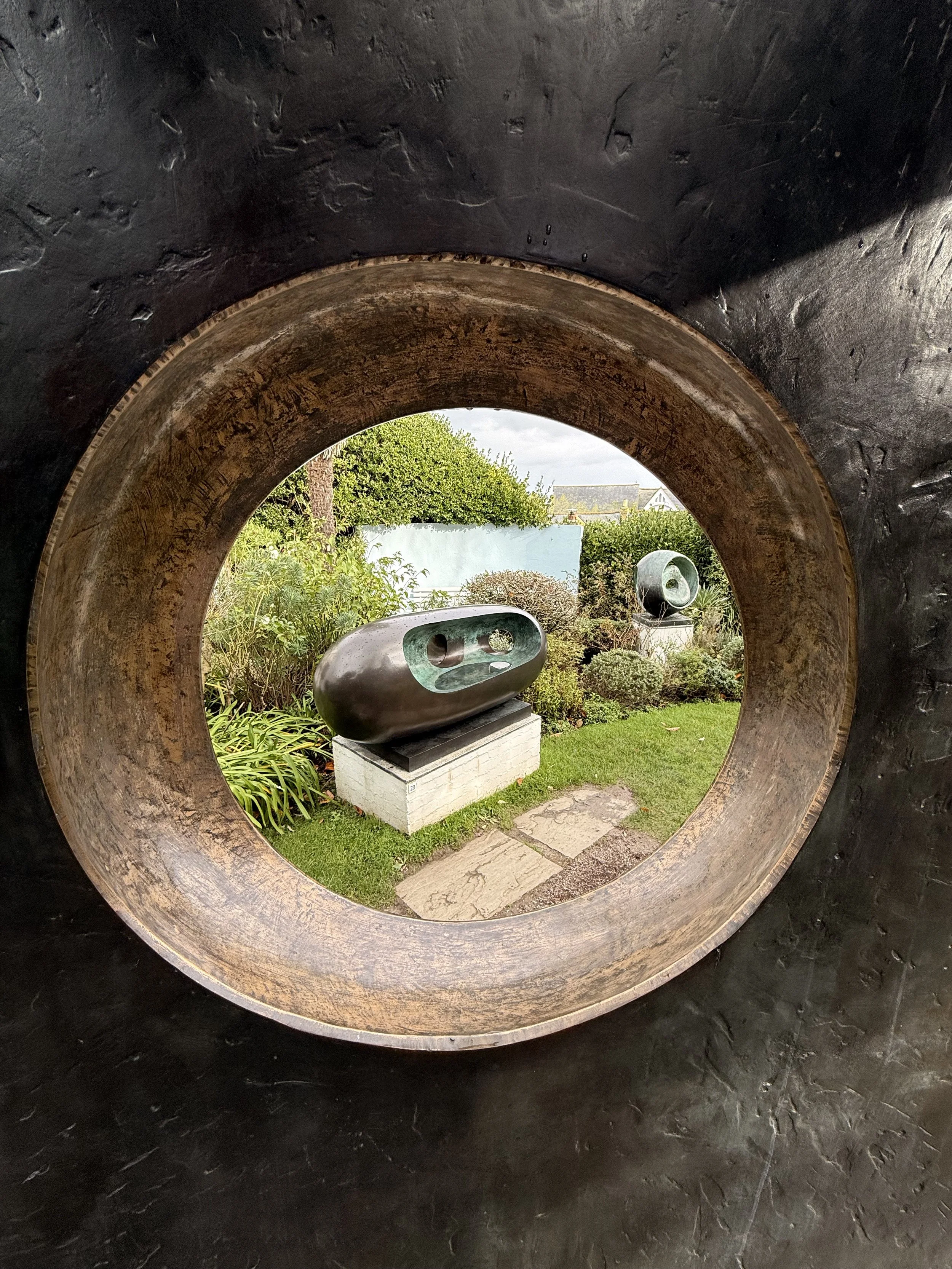
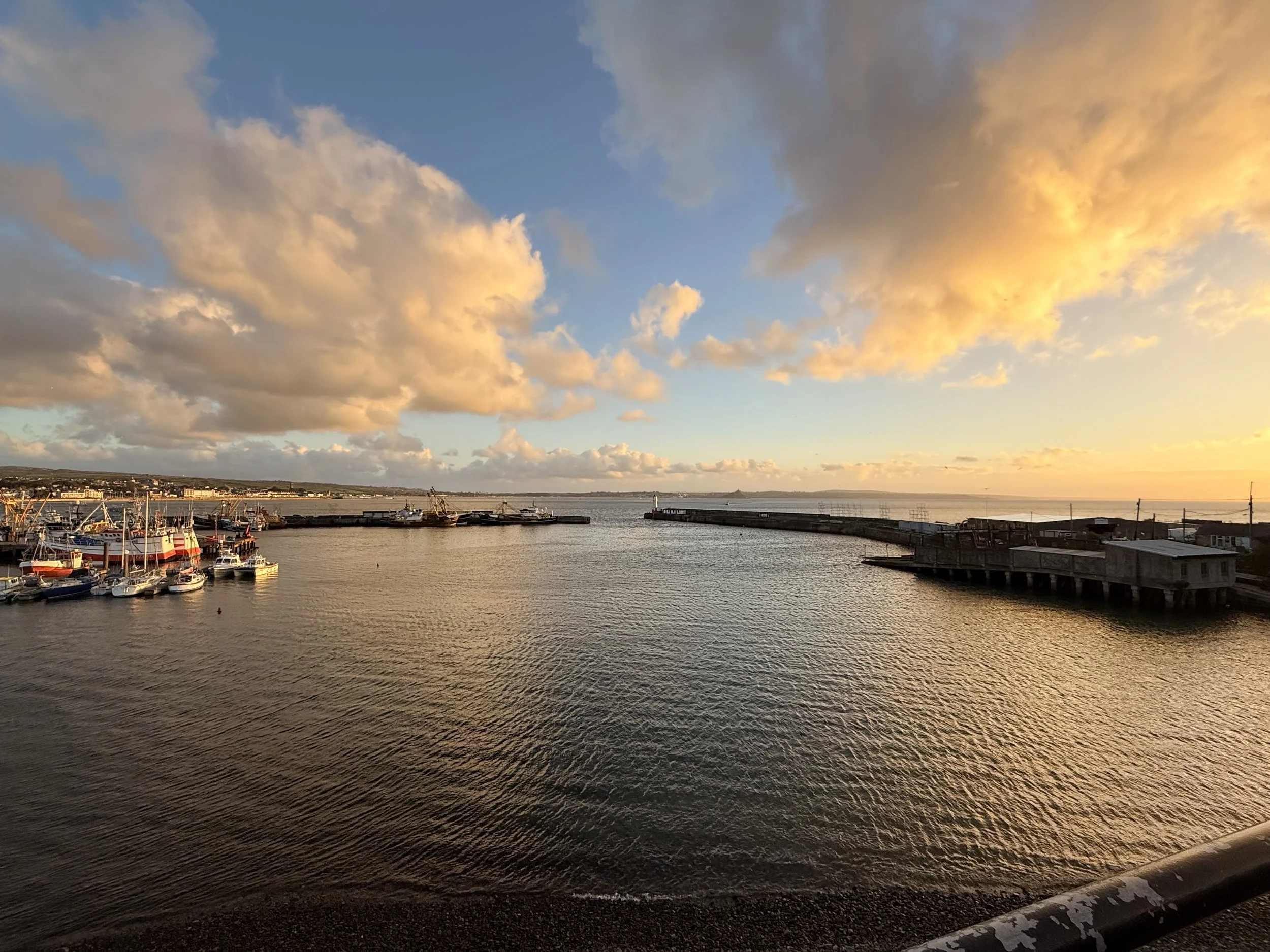
Creative life flourishes in St Ives, long celebrated for its exceptional light and shaped by Barbara Hepworth, the Leach Pottery, and the artists of the Newlyn School. Working harbours at Newlyn and Penzance anchor this artistic tradition in fishing and maritime labour.
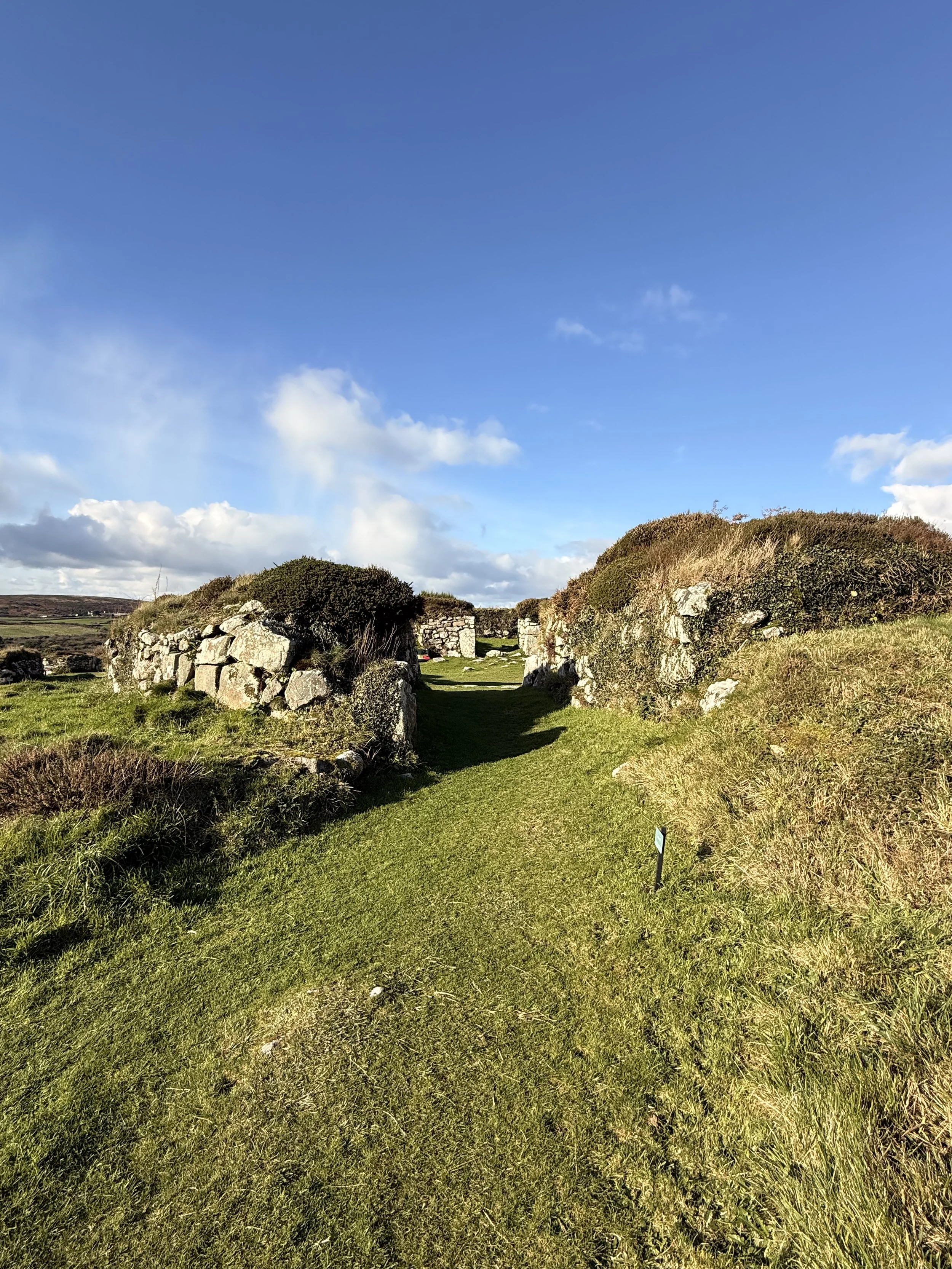
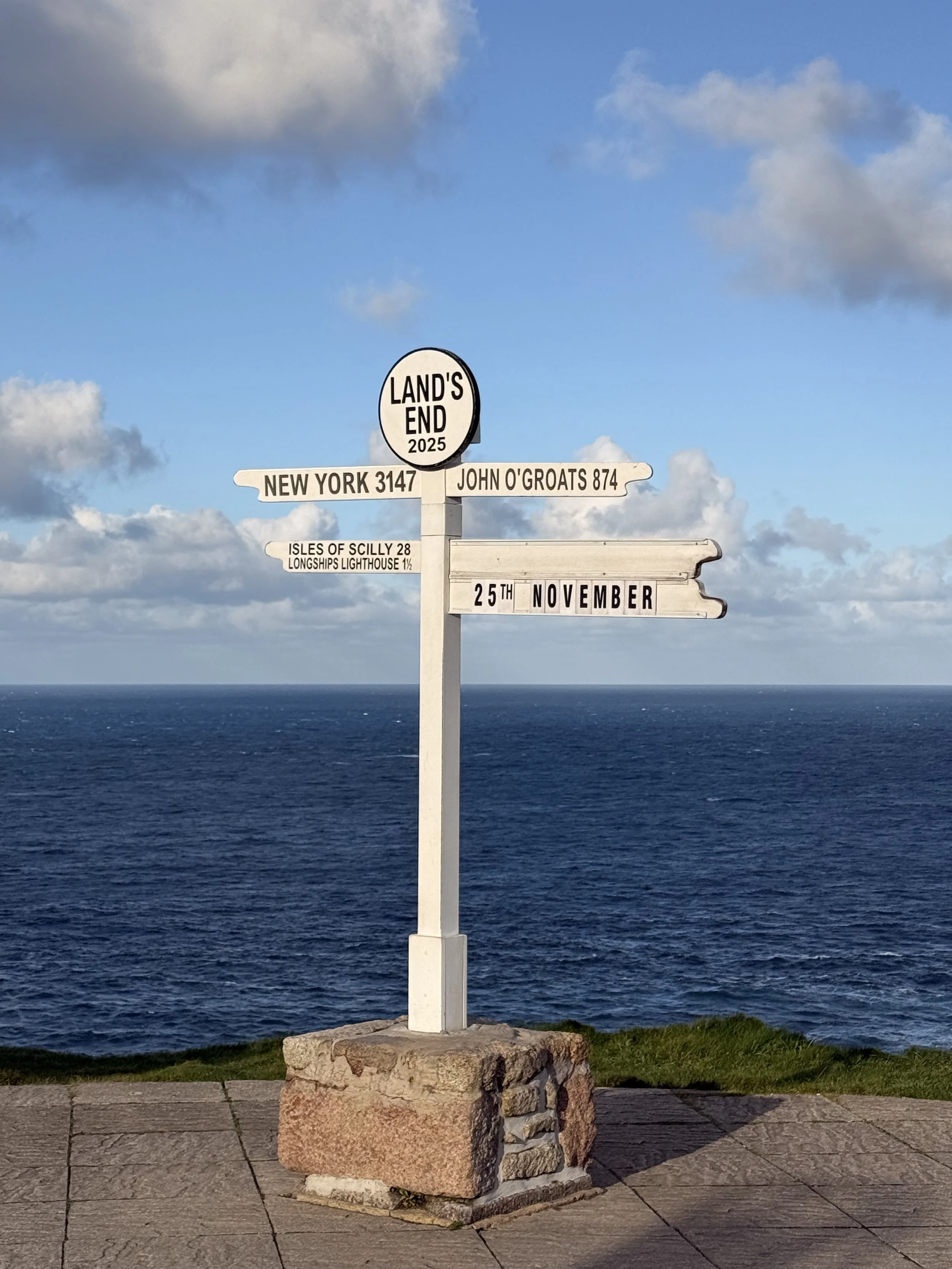
Penwith’s deeper past is revealed at Chysauster Ancient Settlement, where remarkably preserved stone houses offer a rare glimpse of Iron Age life. Elsewhere, quieter beauty unfolds at Lamorna and Sennen Cove, before the mainland finally gives way at Land’s End. Here, the horizon opens wide toward the Atlantic, with the Longships Lighthouse marking a perilous passage offshore.
This far western landscape is rich in folklore and myth. Tales of giants — especially Cormoran, builder of St Michael’s Mount — stride across the land, while offshore lies the haunting legend of Lyonesse, the lost kingdom said to have sunk beneath the sea, its bells still tolling in memory.
Together, these places define Penwith as a region of rare intensity — where ancient settlement, industrial struggle, artistic vision, spiritual devotion, and legend exist side by side. For visitors drawn to the elemental, the historical, and the imaginative, the West Coast and Penwith offer a profoundly Cornish experience, at the very edge of Britain.
The South Coast and the Lizard Peninsula: Where Nature, Art, and Innovation Meet
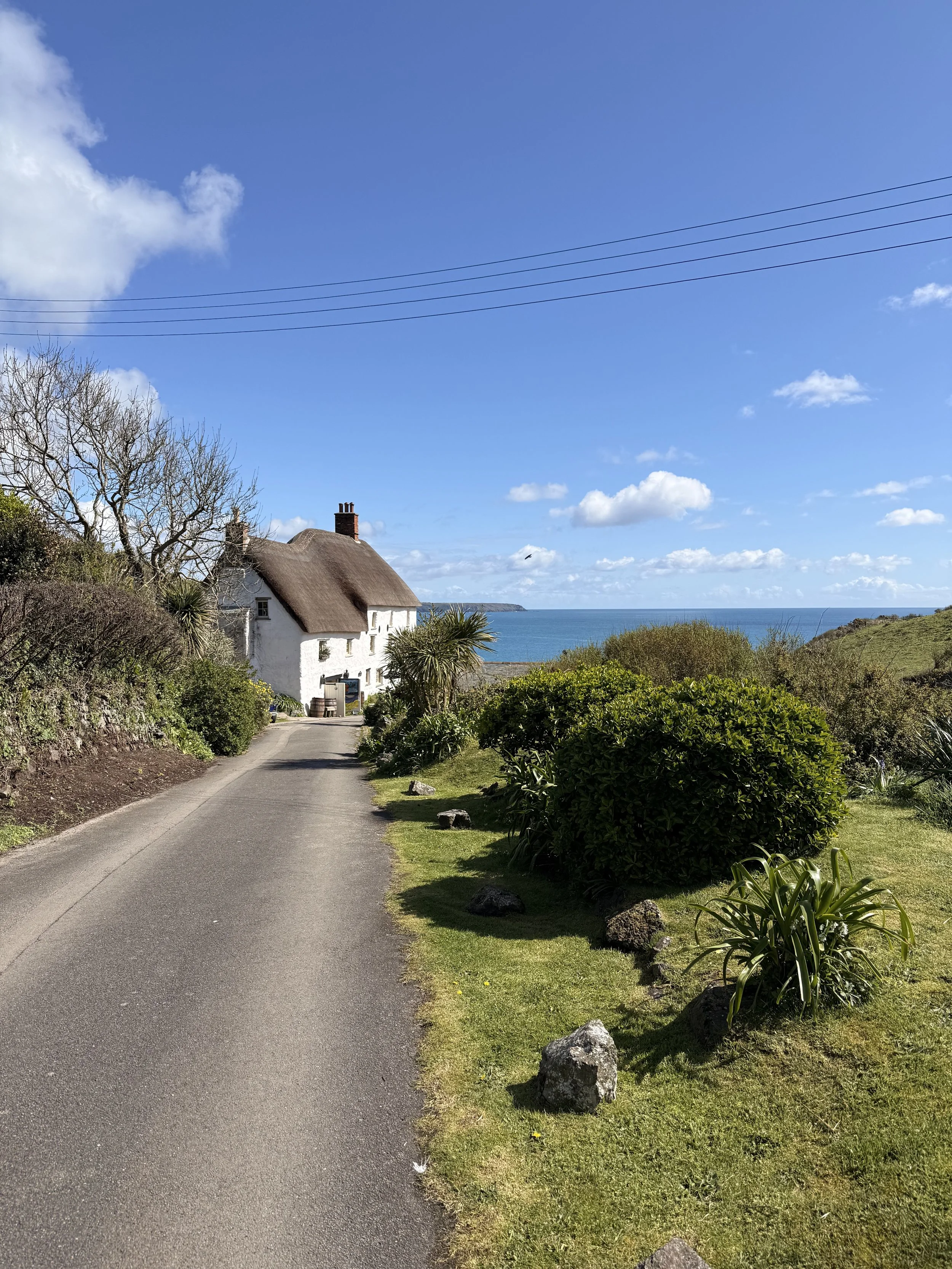
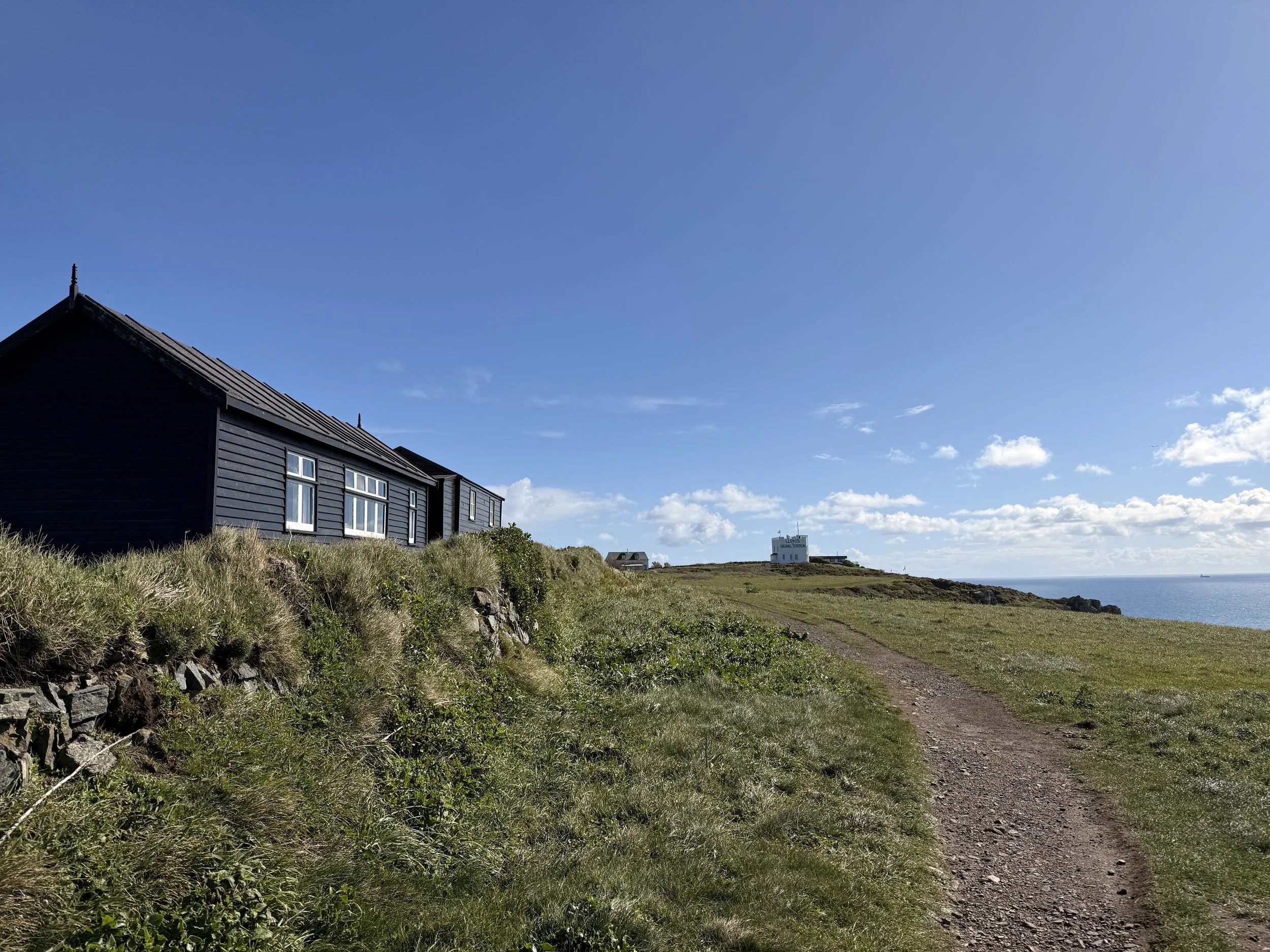
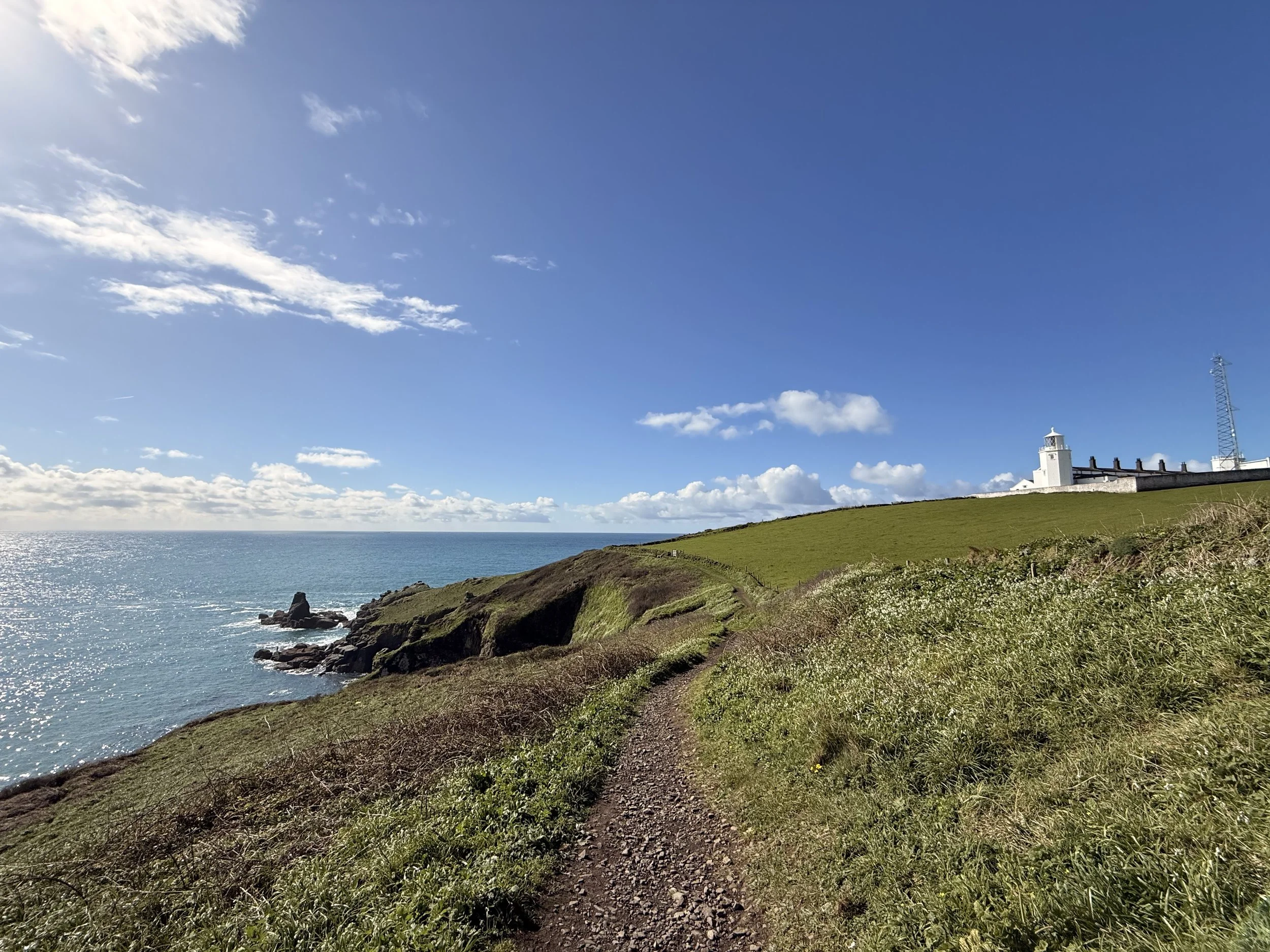
The Lizard Peninsula is a place where Cornwall’s elemental beauty meets moments of world‑changing history. At England’s most southerly point, rugged cliffs, hidden coves, and rare geology create a landscape that feels both ancient and alive — shaped by the sea, the wind, and human imagination.
This is also a landscape closely linked to one of the great innovators of the modern age. Nearby, Guglielmo Marconi established an early wireless station from which some of the first transatlantic radio signals were transmitted, revolutionising global communication. That pioneering spirit later found a powerful successor at Goonhilly, whose vast satellite dishes have played a crucial role in space exploration, international broadcasting, and telecommunications — cutting‑edge technology set amid open heathland and expansive Atlantic skies.
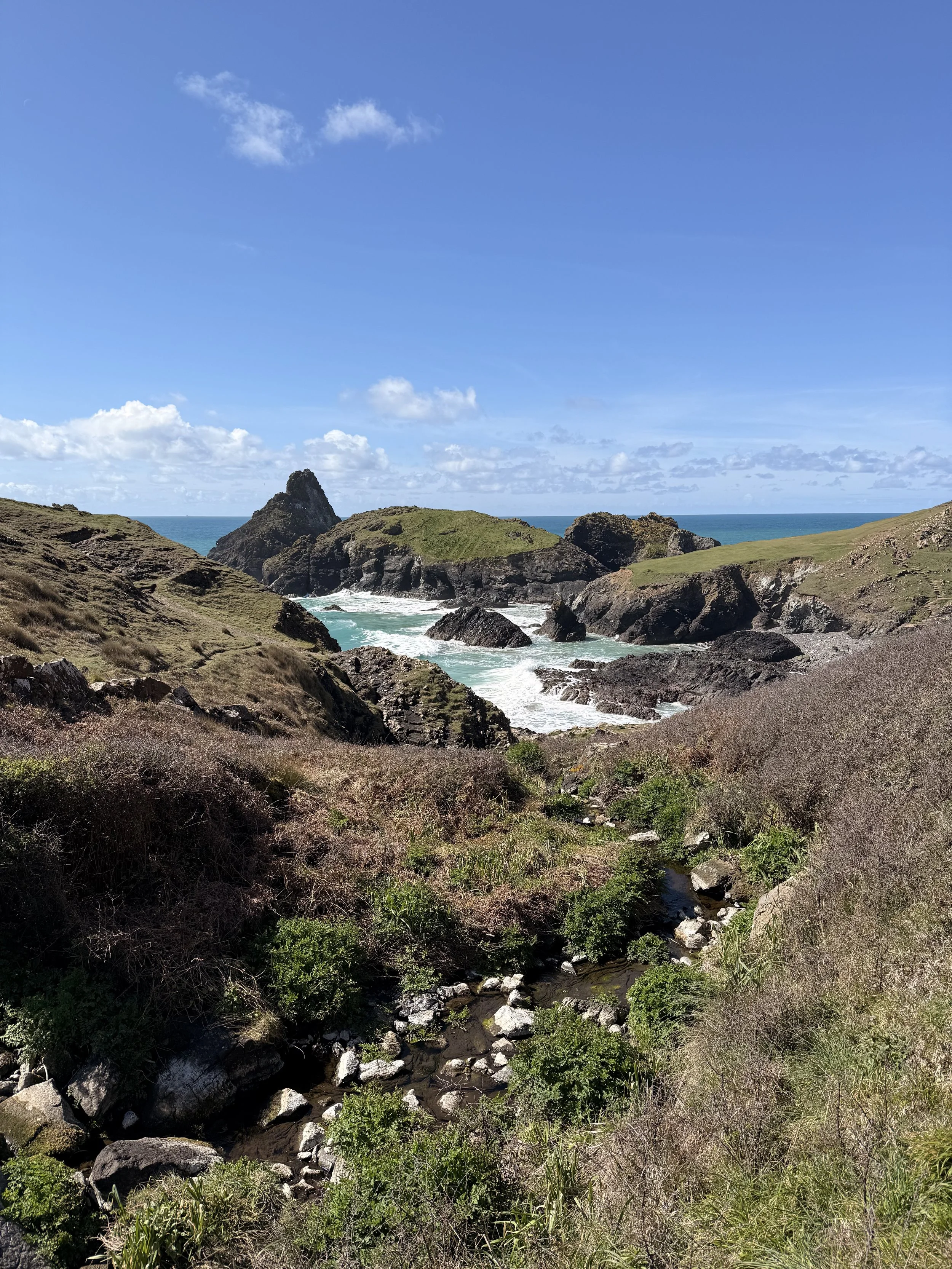
Along the coast, the mood shifts between drama and tranquillity. At Kynance Cove, turquoise waters meet serpentine rock formations and the striking profile of Asparagus Island, creating one of Cornwall’s most iconic and artist‑loved scenes. Further east, the wooded creeks of the Helford River offer a softer, more sheltered experience. Frenchman’s Creek, immortalised by Daphne du Maurier, winds quietly through deep green woodland, its still waters evoking stories of smugglers, secrecy, and romance — a place where literature and landscape feel inseparable.
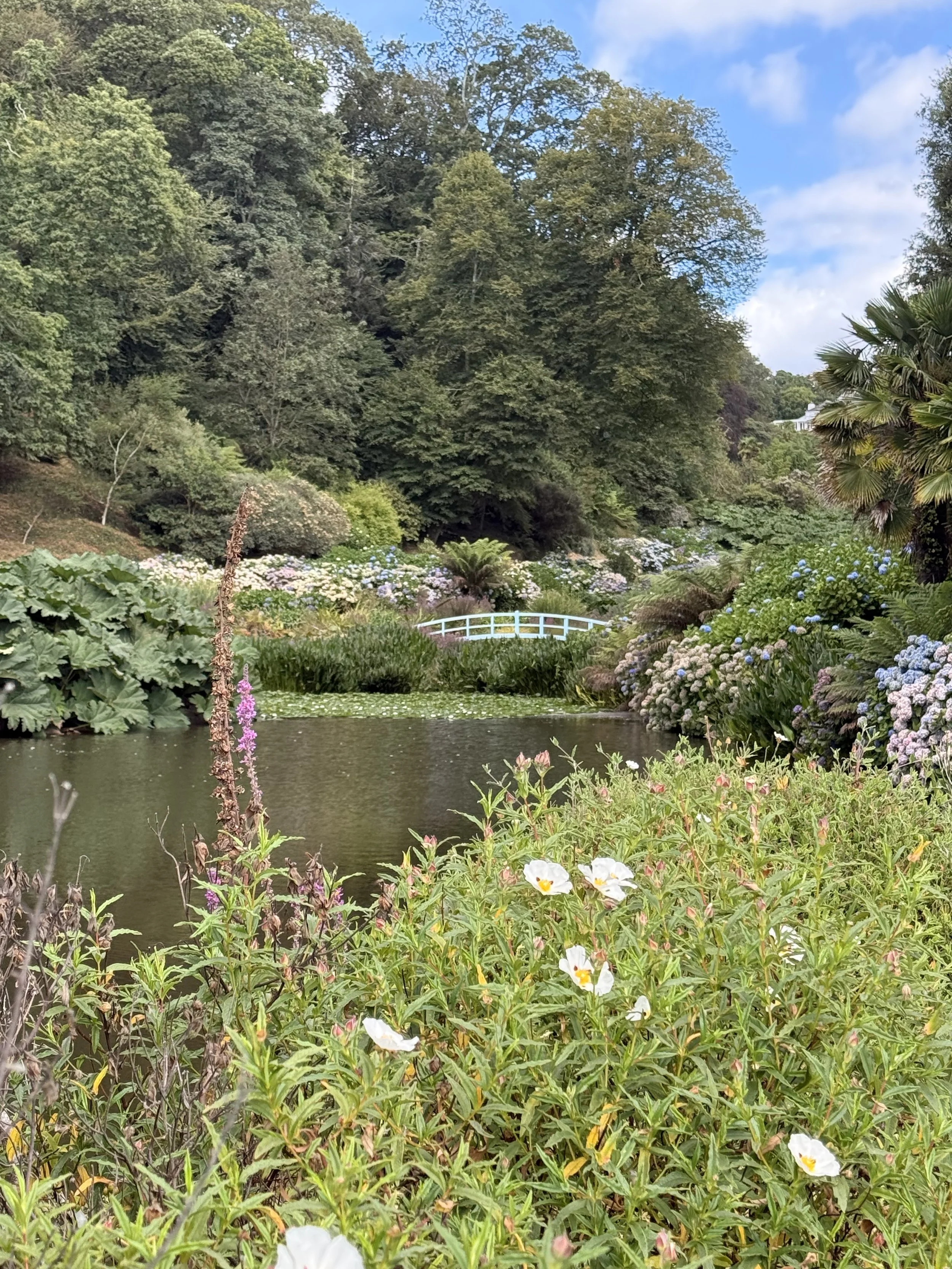
Nearby, Trebah Garden unfolds down a steep valley towards the sea, a subtropical paradise created by shelter, time, and careful planting. Its winding paths, giant rhubarb, and exotic trees lead to a private beach on the Helford River, while its wartime history — serving as an embarkation point for troops on D‑Day — adds an unexpected historical depth to its natural beauty.
Inland, the historic market town of Helston provides a gateway to this richly varied coast. Visitors can step aboard the Helston Railway, where heritage locomotives recall Cornwall’s once‑extensive rail network and its role in connecting rural communities. Nearby, Roskilly Farm offers a gentler expression of Cornish life today, celebrated for its organic dairy farming, artisan ice cream, and strong links to land and sustainability.
After exploring cliffs, creeks, gardens, and countryside, many visitors enjoy a pause at the welcoming café near Lizard Point, famed for serving some of the most satisfying Cornish pasties on the peninsula — a simple pleasure at the very edge of the land.
With its distinctive blend of natural drama, artistic inspiration, maritime history, technological innovation, garden heritage, and living rural traditions, the South Coast and Lizard Peninsula offer one of Cornwall’s most varied and rewarding experiences — a place that lingers in memory long after you’ve left its coves, pathways, and open skies behind.
The North Cornish Coast: Legend, Landscape, and Living Tradition
The North Cornish Coast is a place where dramatic Atlantic landscapes are inseparable from legend, labour, and living tradition. Sweeping beaches, high cliffs, and sheltered fishing ports form a coastline rich in story — from ancient saints and mythical kings to miners, fishermen, and modern cultural icons.
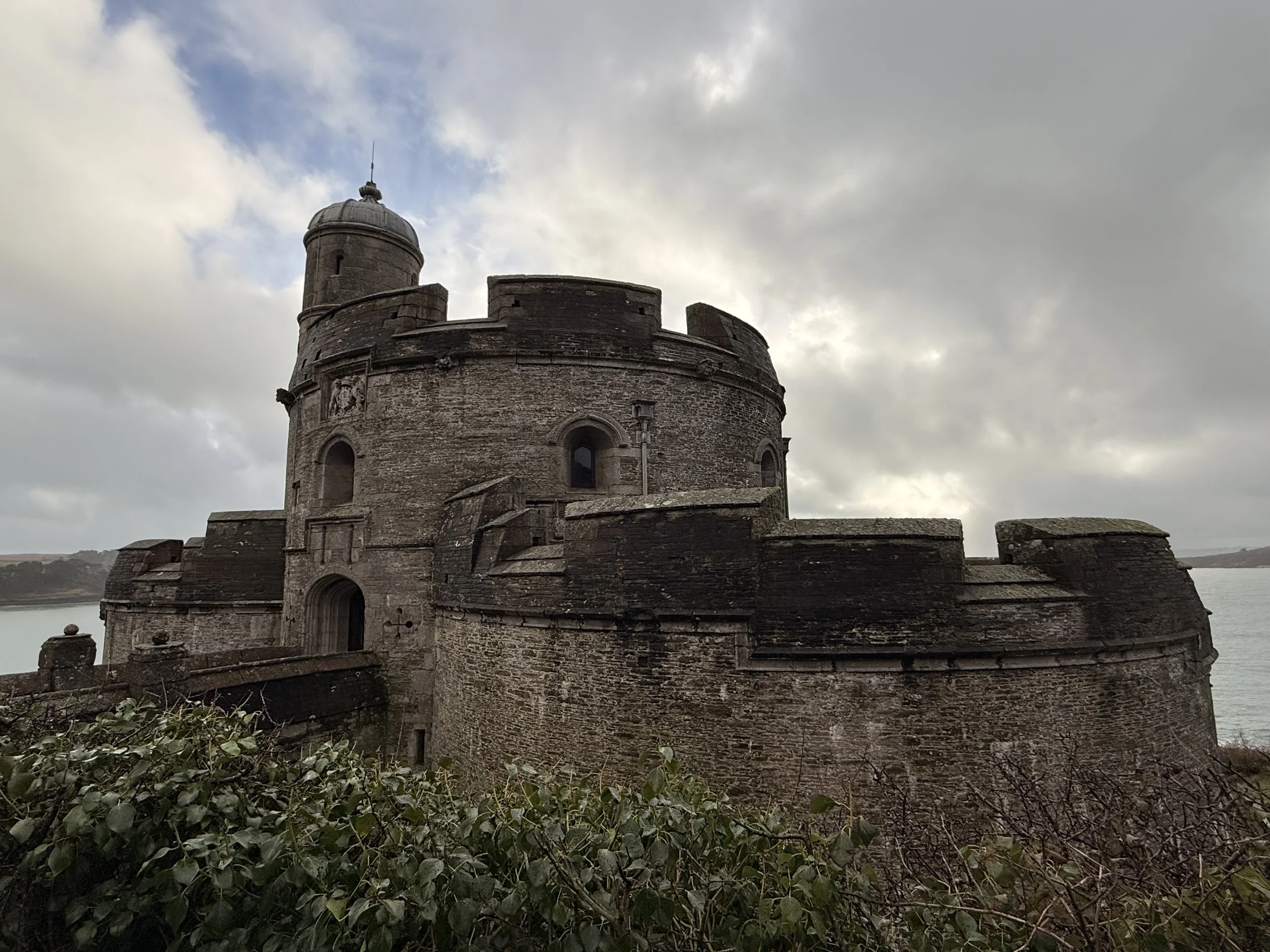
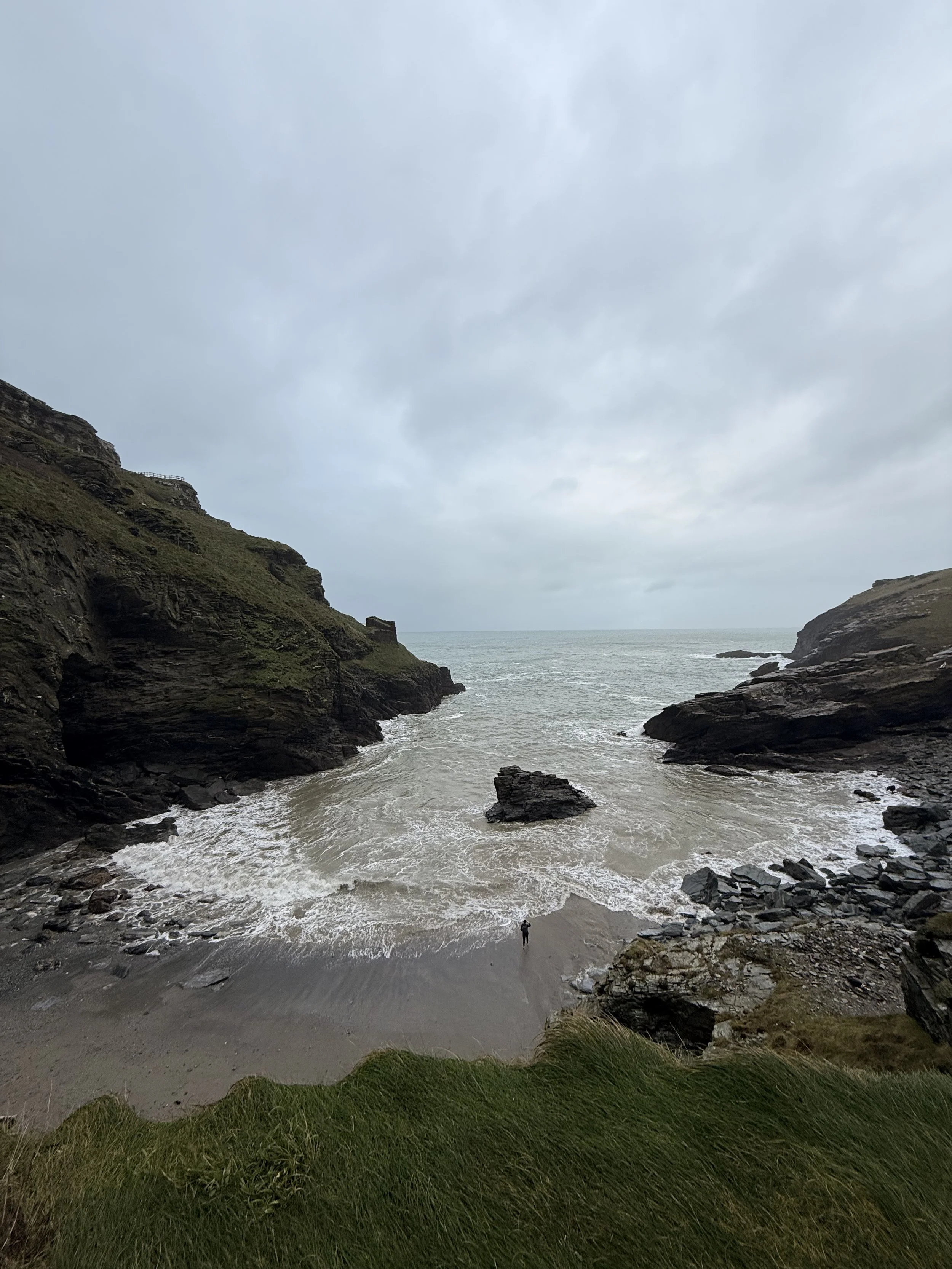
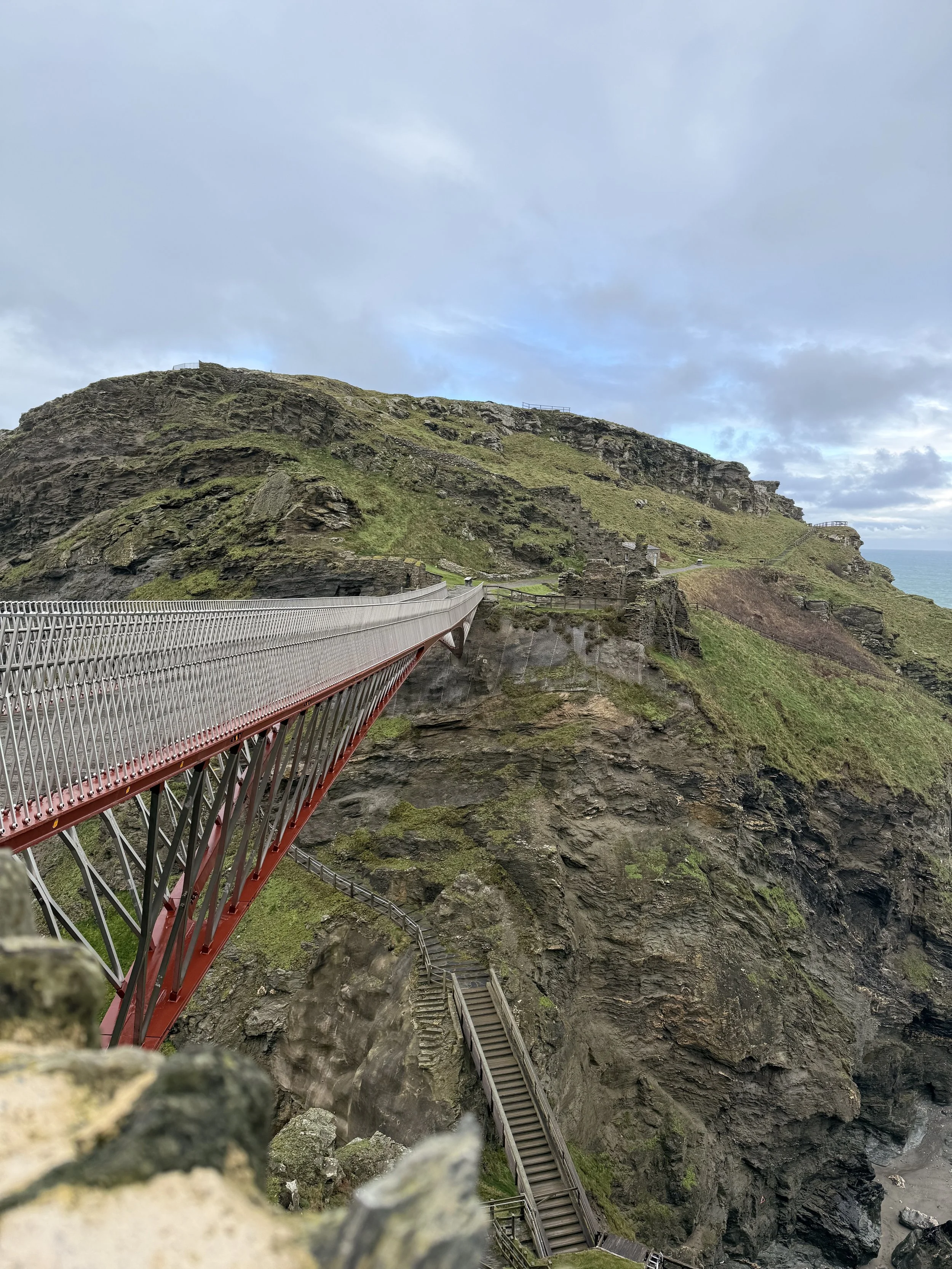
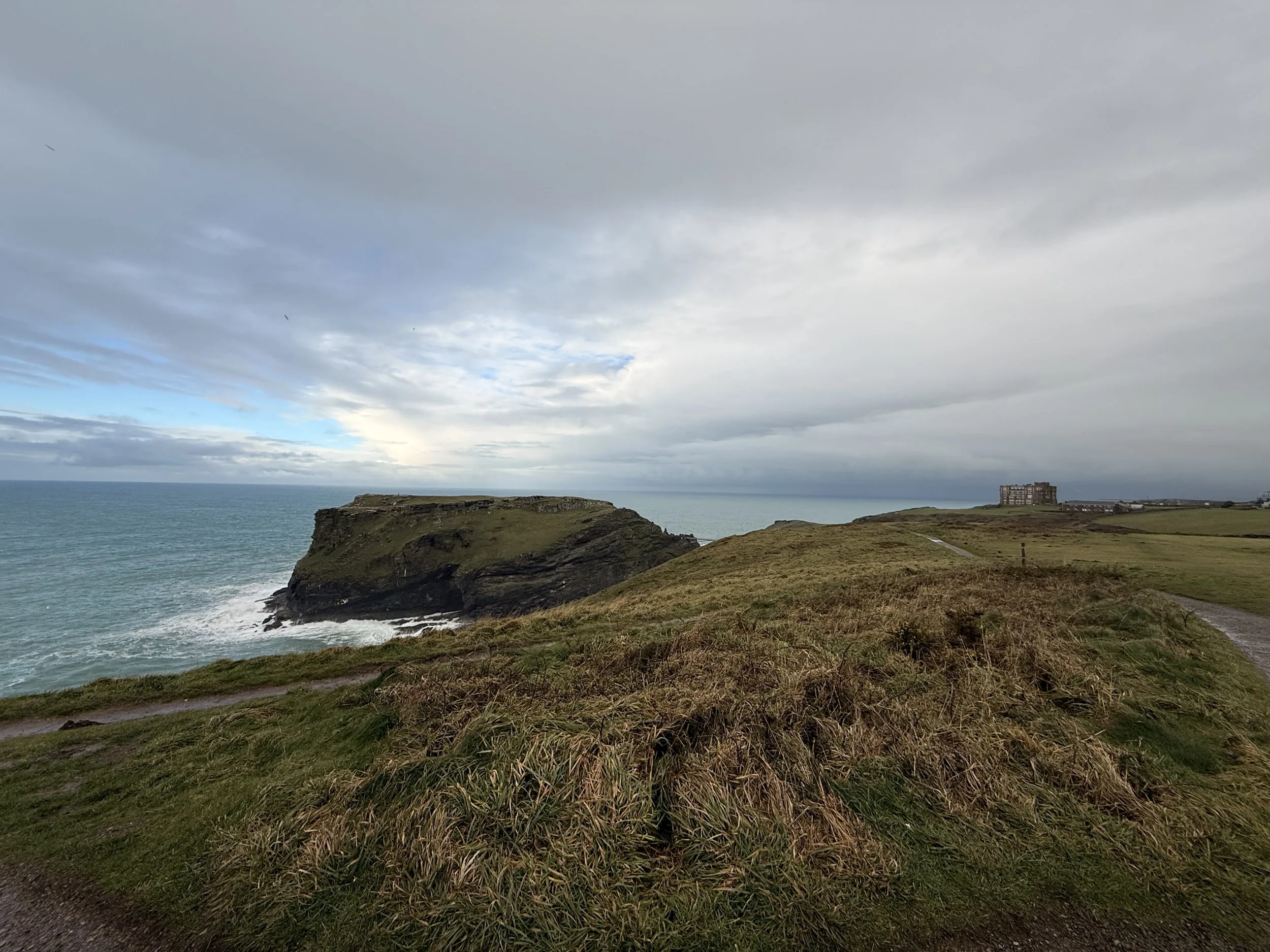
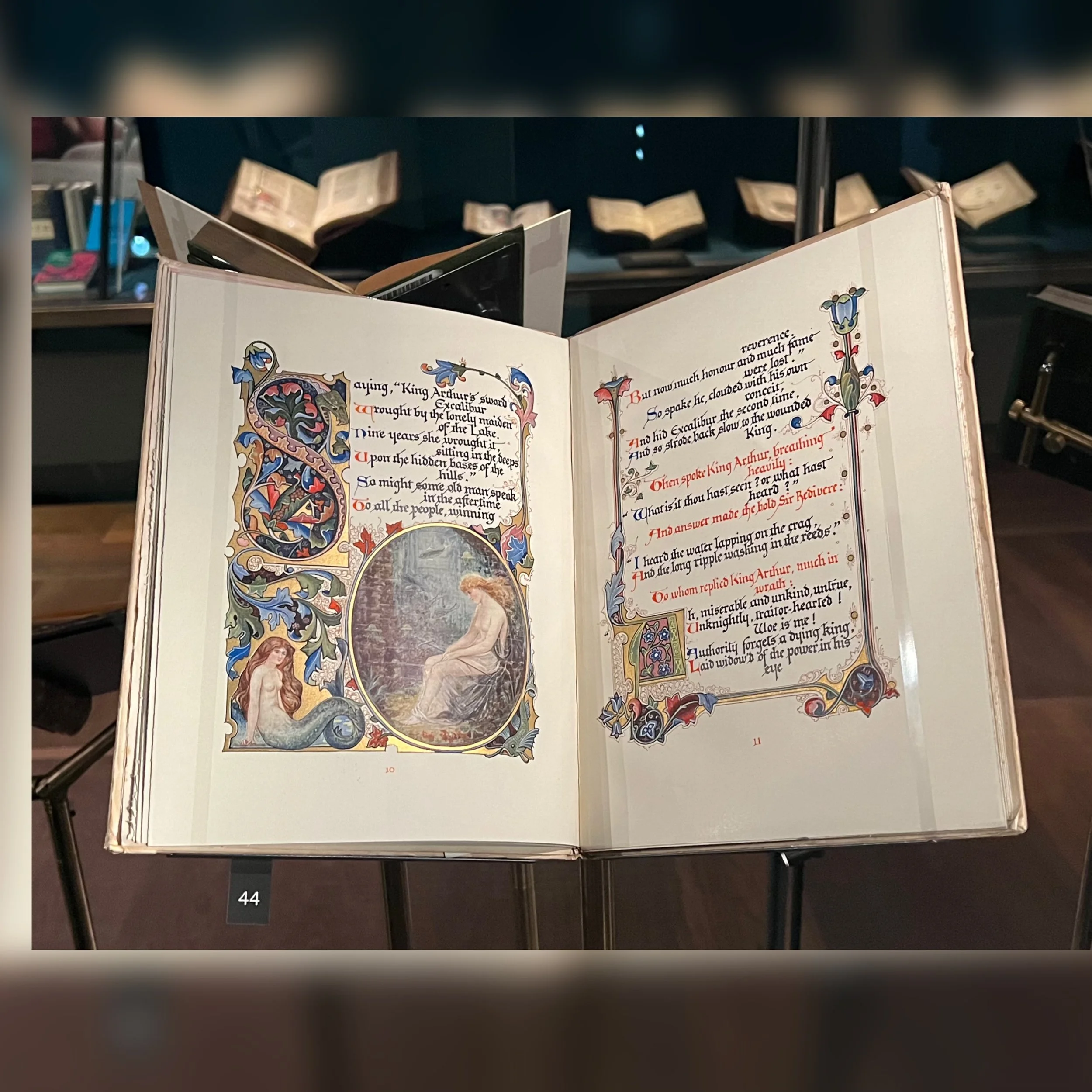
At its heart lies Tintagel Castle, perched spectacularly above the sea, a medieval fortification built by Richard, Earl of Cornwall. Since the Middle Ages, Tintagel and the ancient settlement on the headland has been bound to the Arthurian legend, famously linked to the conception of King Arthur. Medieval writers, Victorian romantics, and modern visitors alike have viewed Tintagel as a liminal place — a threshold between land and sea, history and myth. Walking the bridge and cliff paths today, it’s easy to understand why this landscape has inspired such enduring stories of magic, power, and destiny.
Nearby, the wooded sanctuary of St Nectan’s Glen offers a gentler but equally evocative experience. Its moss‑covered paths, stone bridges, and cascading waterfall have long made it a place of pilgrimage and reflection. Associated with early Christian hermits and later embraced for its spiritual atmosphere, the glen invites slow, contemplative walks where belief, folklore, and nature quietly intertwine.
Further along the coast, the harbour town of Padstow blends seafaring heritage with rich folklore and modern fame. Deeply rooted in fishing and trade, Padstow is also the home of the famous Obby Oss festival, when ancient May Day traditions burst into life with music, movement, and ritual. Legends of mermaids and sea spirits echo the town’s long relationship with the unpredictable Atlantic, while in more recent years Padstow has become internationally known through Rick Stein, whose restaurants have helped put Cornish food and ingredients firmly on the culinary map.
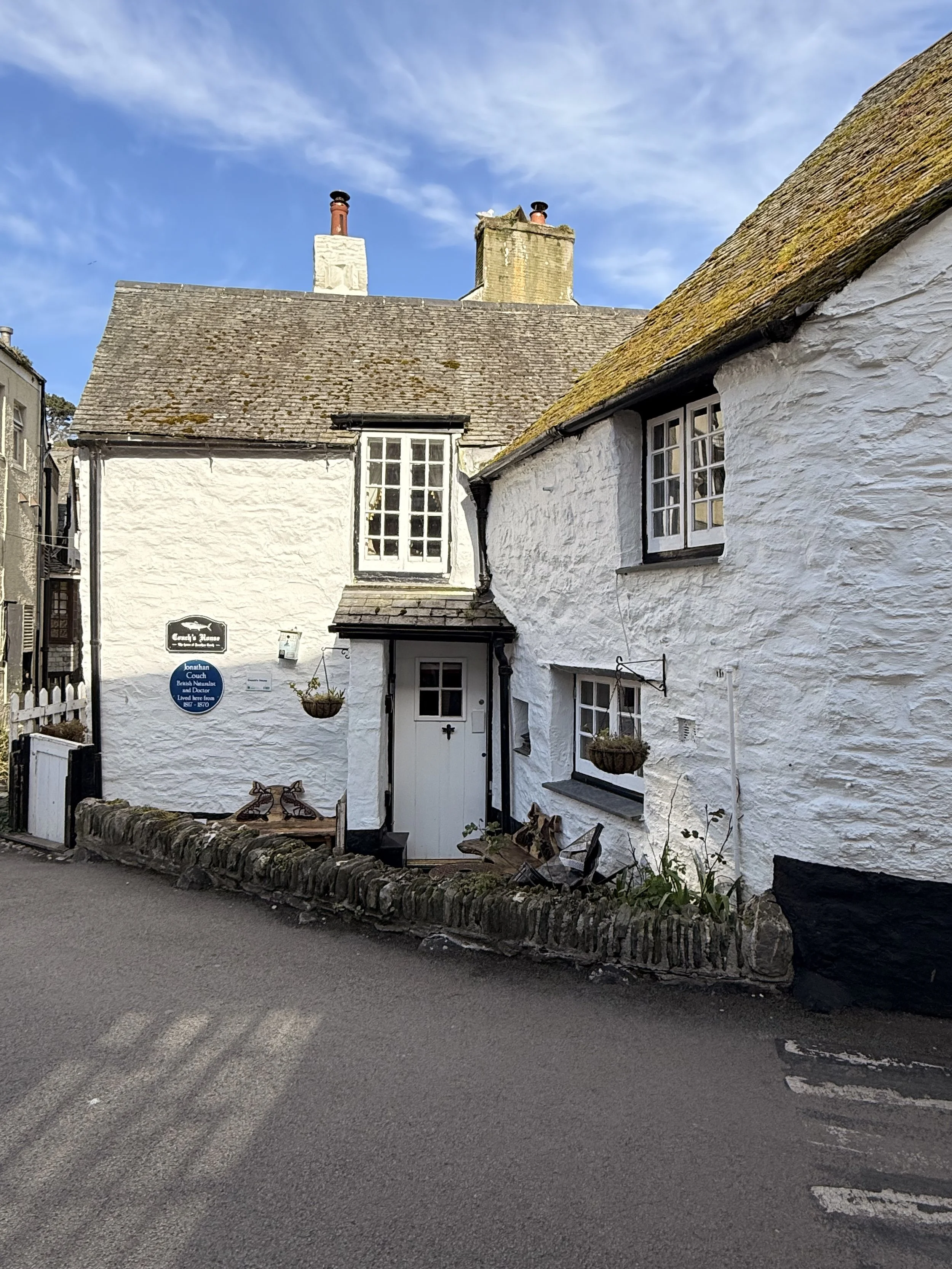
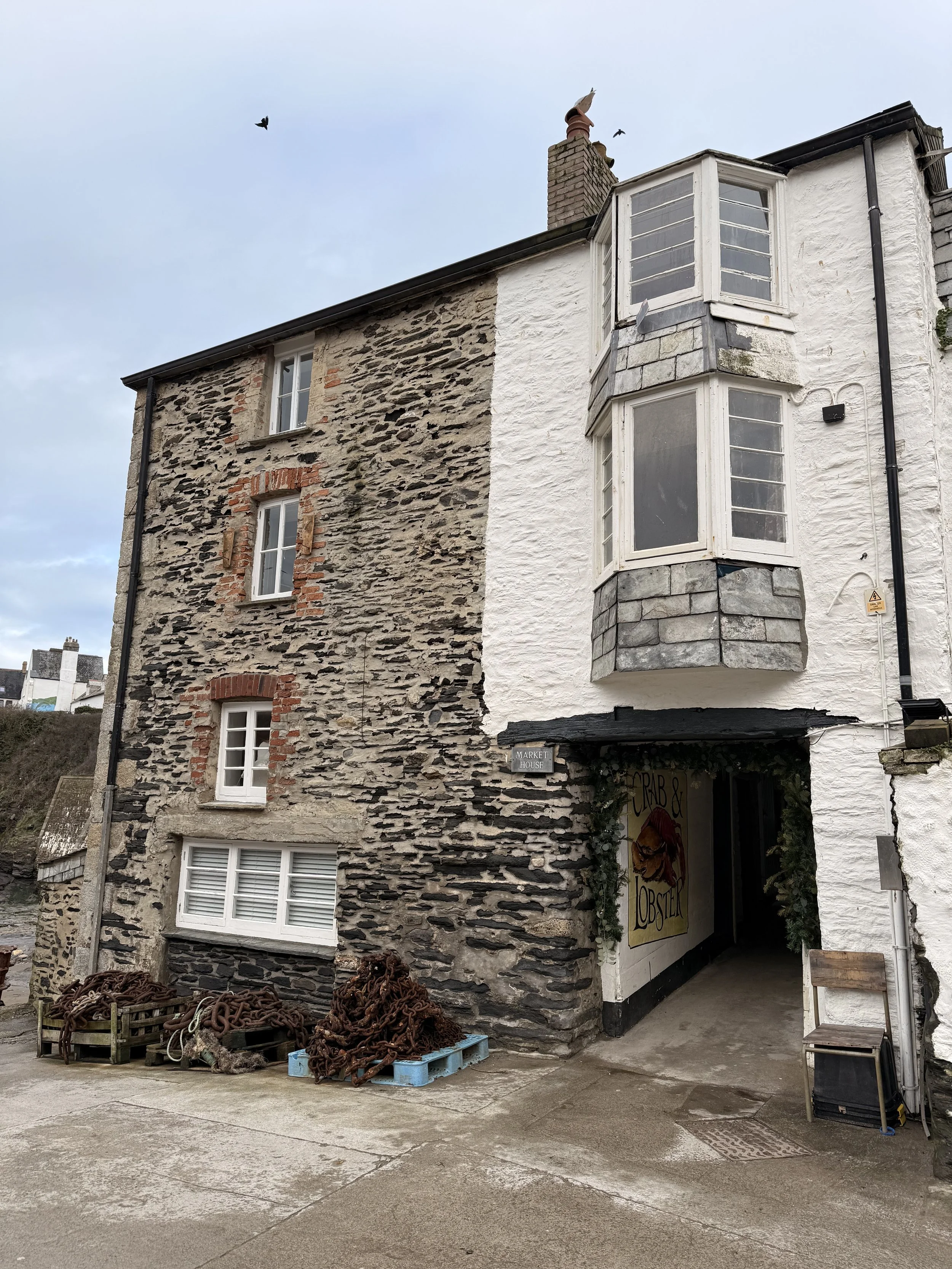
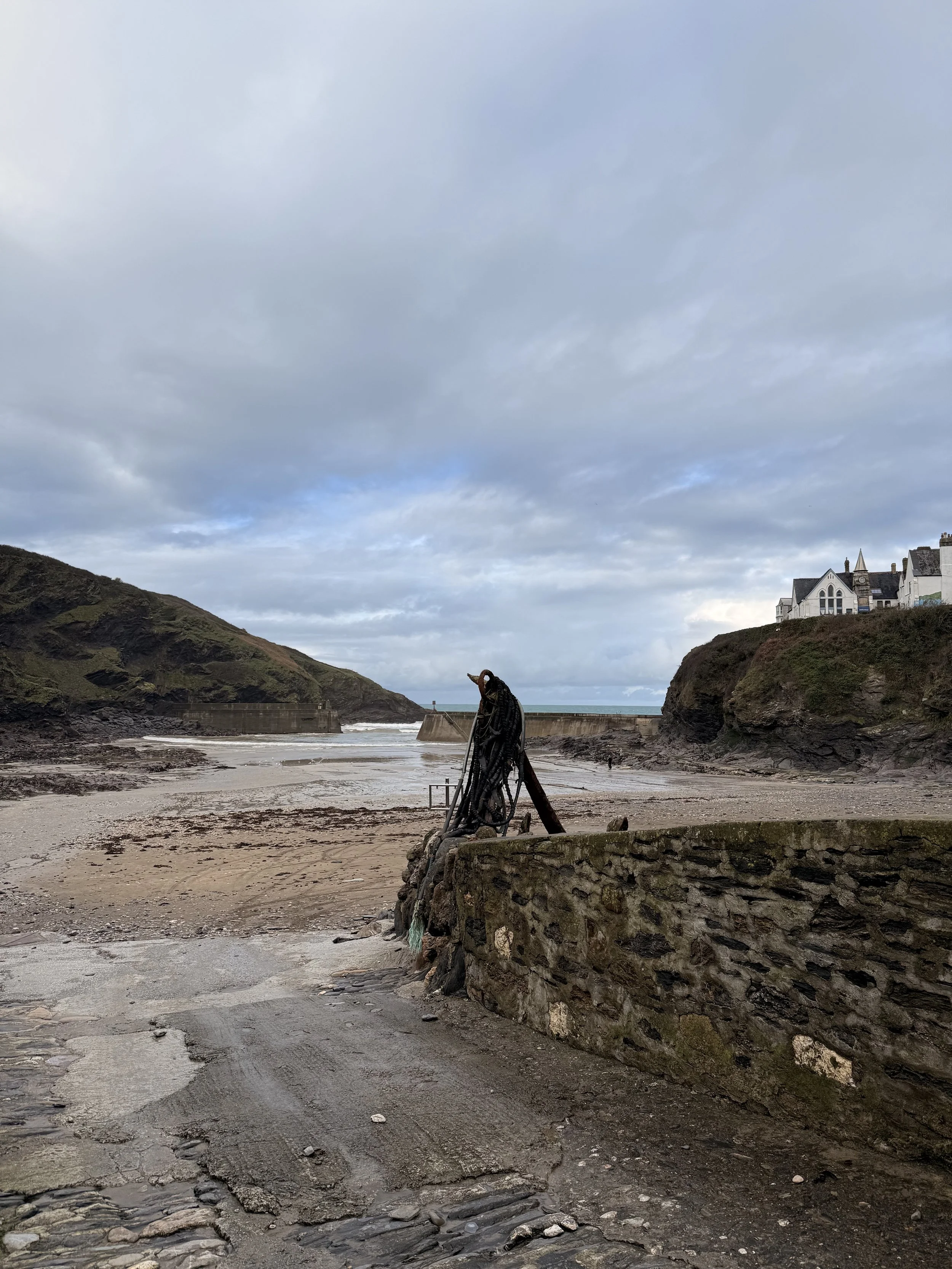
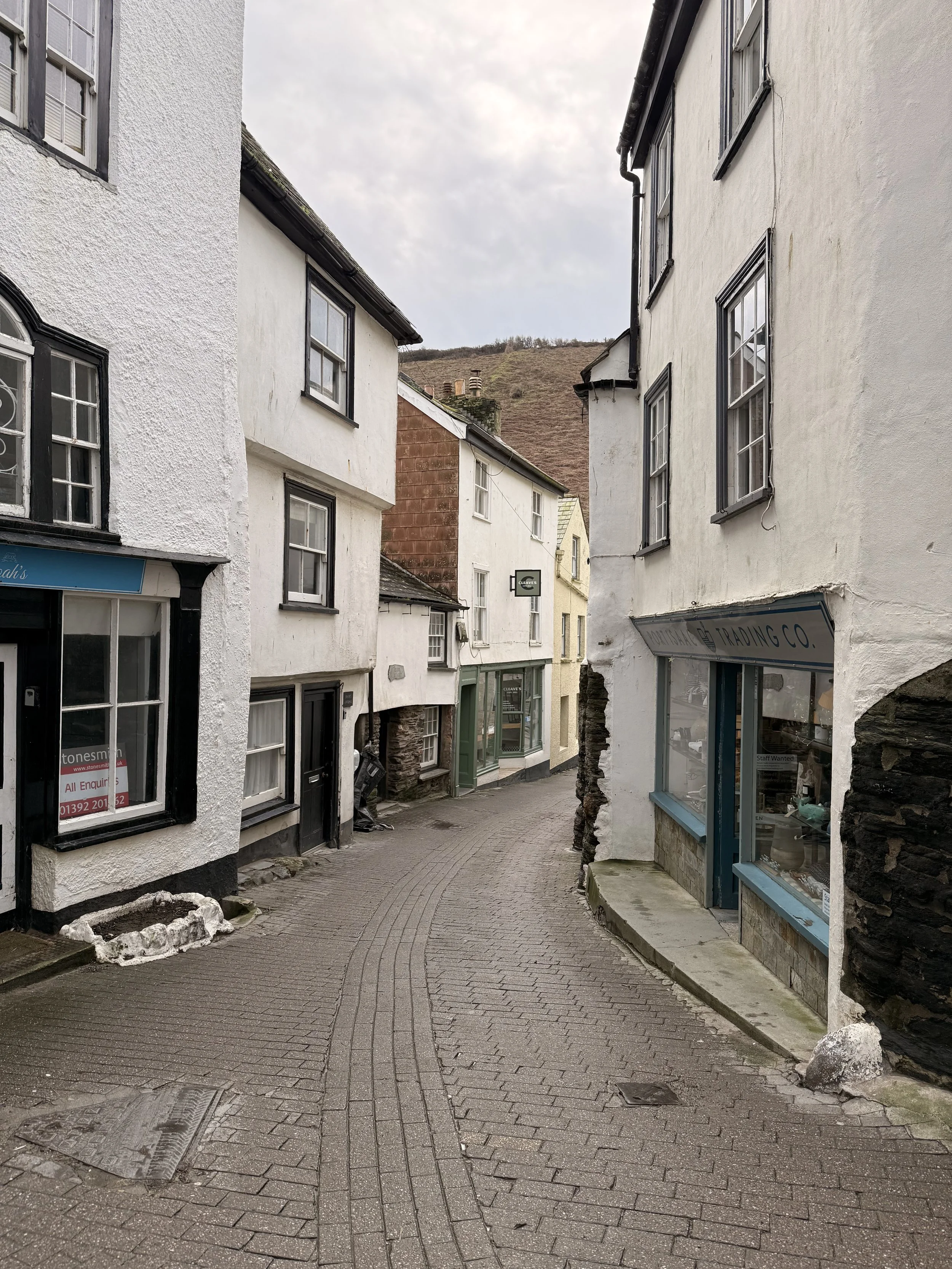
Just down the coast, Port Isaac offers another iconic Cornish scene. This tightly clustered fishing village is known worldwide as the filming location for Doc Martin, but it is also home to the real‑life sea‑shanty singers Fishermen’s Friends, whose music celebrates the working traditions, camaraderie, and resilience of coastal life. Here, popular culture sits comfortably alongside genuine maritime heritage.
The coastline also tells a deeper story of faith and industry. Places such as St Agnes combine sweeping beaches and coastal paths with reminders of Cornwall’s industrial past. Tin and gold mining once transformed these landscapes, connecting Cornwall to global trade and shaping communities whose influence reached far beyond the Atlantic. Ruined engine houses silhouetted against the sea are powerful reminders of the labour that once drove Cornwall’s economy. At the same time, the very names of towns and parishes — drawn from early Cornish saints — reveal an older spiritual geography woven into the land.
Together, these places reveal the North Cornish Coast as far more than a dramatic stretch of shoreline. It is a landscape shaped by legendary kings and powerful earls, saints and storytellers, miners and mariners, and by traditions that are still proudly alive today.
With its rich blend of Arthurian legend, folklore, music, faith, food, industry, and wild natural beauty, the North Cornish Coast offers one of the most atmospheric and rewarding ways to experience Cornwall — a place where myth and memory remain deeply embedded in the land.
The Tamar Valley: River, Railway, and a Hidden Heart of the South West
The Tamar Valley is a richly layered landscape where river, woodland, and industry meet at the border of Devon and Cornwall. Defined by the winding course of the River Tamar, the valley has long been both a boundary and a bridge — shaping movement, trade, and identity across centuries.
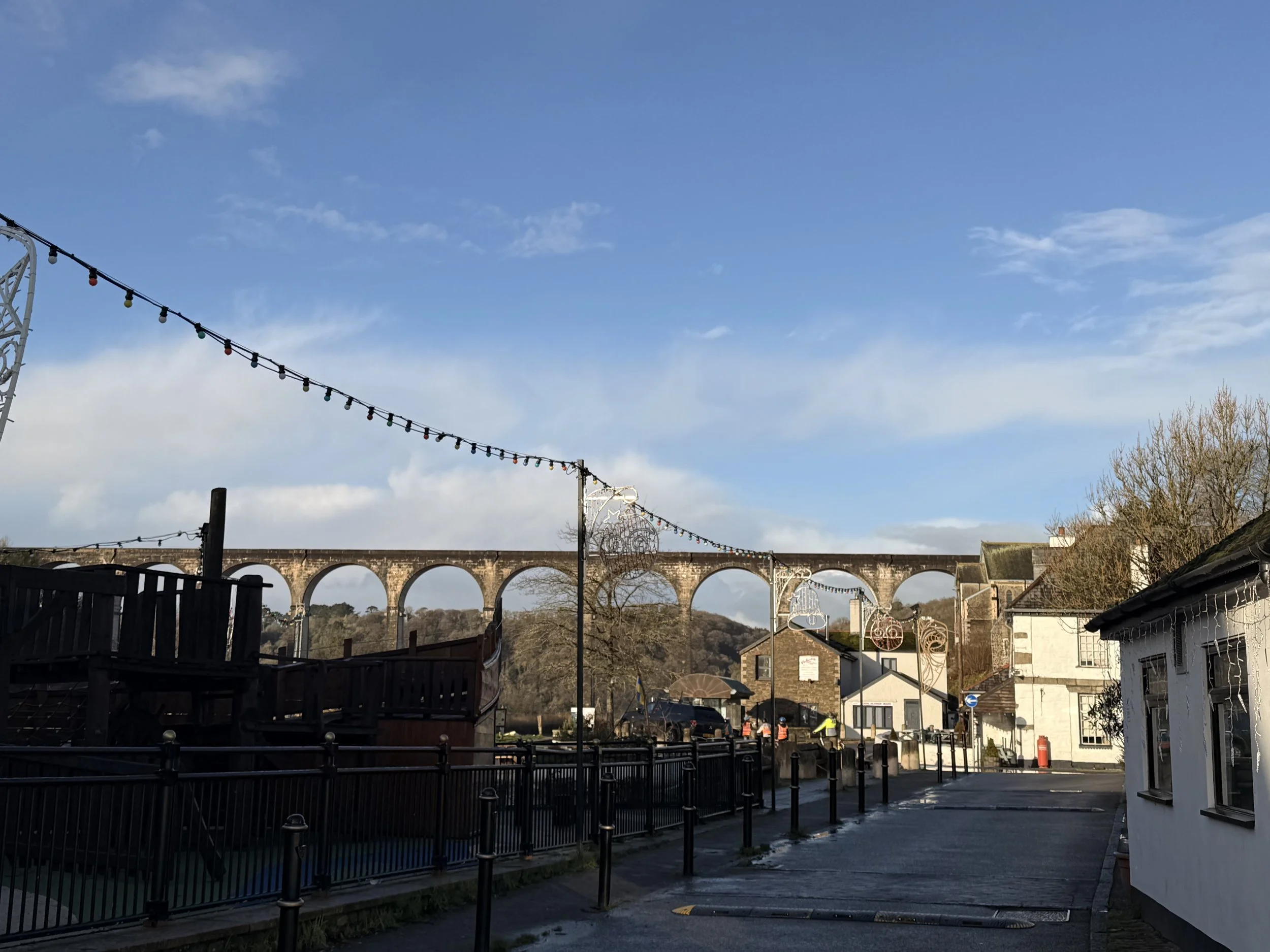
One of the valley’s most striking settlements is Calstock, a riverside village set among wooded slopes and historic quays. Once a vital hub for the export of tin, copper, and arsenic, Calstock today still bears the marks of its industrial past, most dramatically in its viaduct, which soars above the river. The village is also reached by the scenic Tamar Valley branch‑line railway, running from Plymouth, a journey that offers unfolding views of orchards, water, and hidden corners of the valley. Historically, this line connected the mining landscapes of the Tamar with Tavistock, reinforcing the region’s role as a working corridor between inland moor and sea.
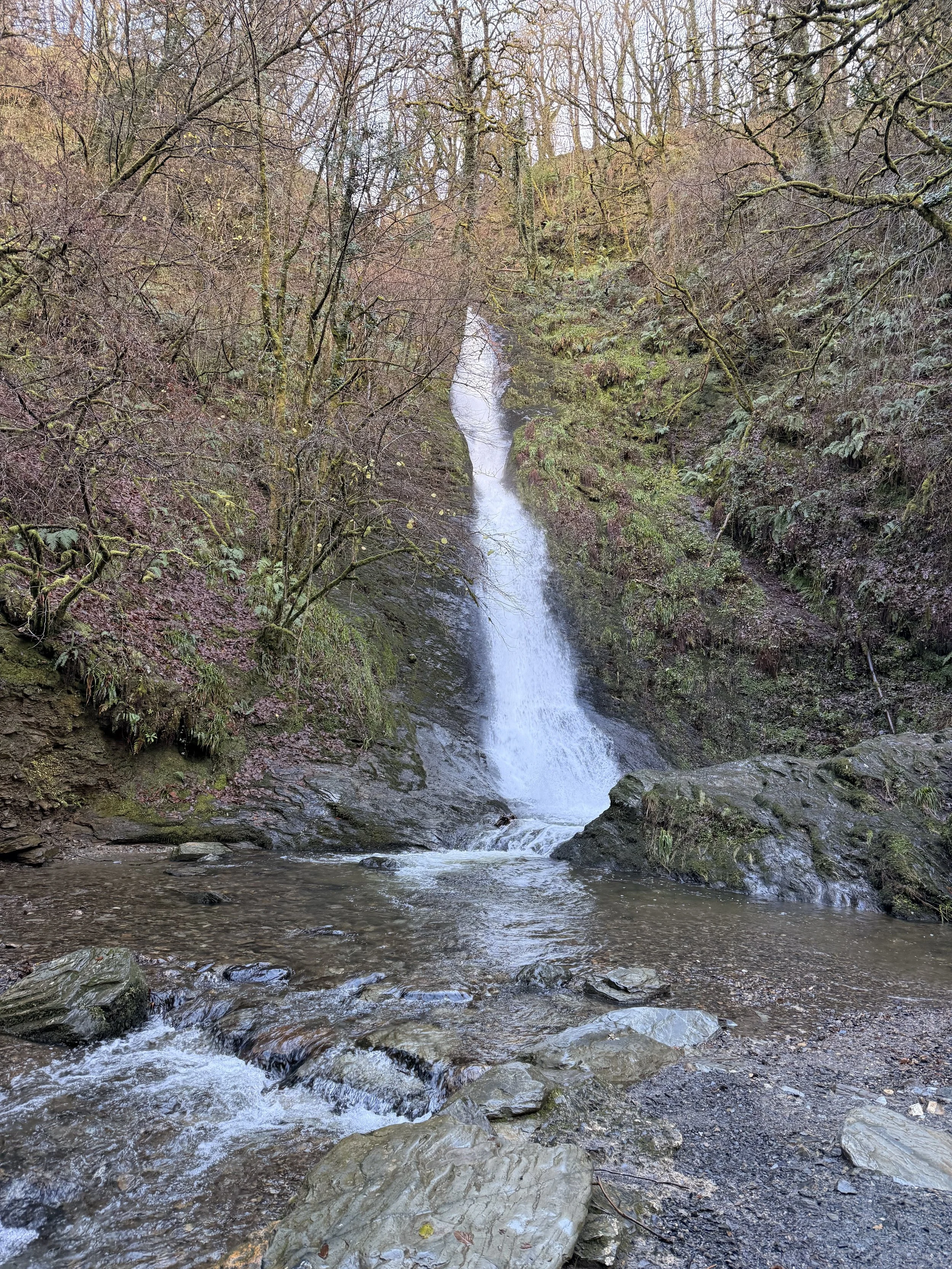
Further upriver, the landscape grows wilder. Lydford Gorge, carved deep into the western edge of Dartmoor, reveals a more dramatic expression of the valley’s power. Here, ancient woodland clings to steep sides, and the river plunges through narrow rock channels to form Lydford Gorge waterfall, one of the most spectacular in the South West. The gorge has long inspired awe — not only for its beauty, but also for its associations with medieval authority, folklore, and the harsh realities of life on a contested frontier.
Throughout the Tamar Valley, traces of tin and copper mining remain etched into the land: ruined engine houses, abandoned railways, quays, and mineral workings now softened by trees and moss. This industrial heritage sits alongside a gentler agricultural landscape of orchards, smallholdings, and riverside paths, creating a rare balance between productivity and natural beauty. It is this combination that has earned the Tamar Valley its designation as a National Landscape.
Walking here is a quietly immersive experience. Paths follow old trade routes, riverbanks, and woodland edges, offering panoramic views, sudden glimpses of water, and moments of stillness where history feels close beneath the surface. Whether arriving by train, following the river on foot, or exploring villages shaped by centuries of work and movement, the Tamar Valley reveals a Cornwall and Devon that is intimate, understated, and deeply rewarding.
With its blend of river history, railways, industry, woodland, and dramatic natural features, the Tamar Valley offers a distinctive and lesser‑known perspective on the South West — a landscape where stories flow as steadily as the river itself.
Bodmin Moor and Beyond: From Moorland to Gardens and Harbour Towns
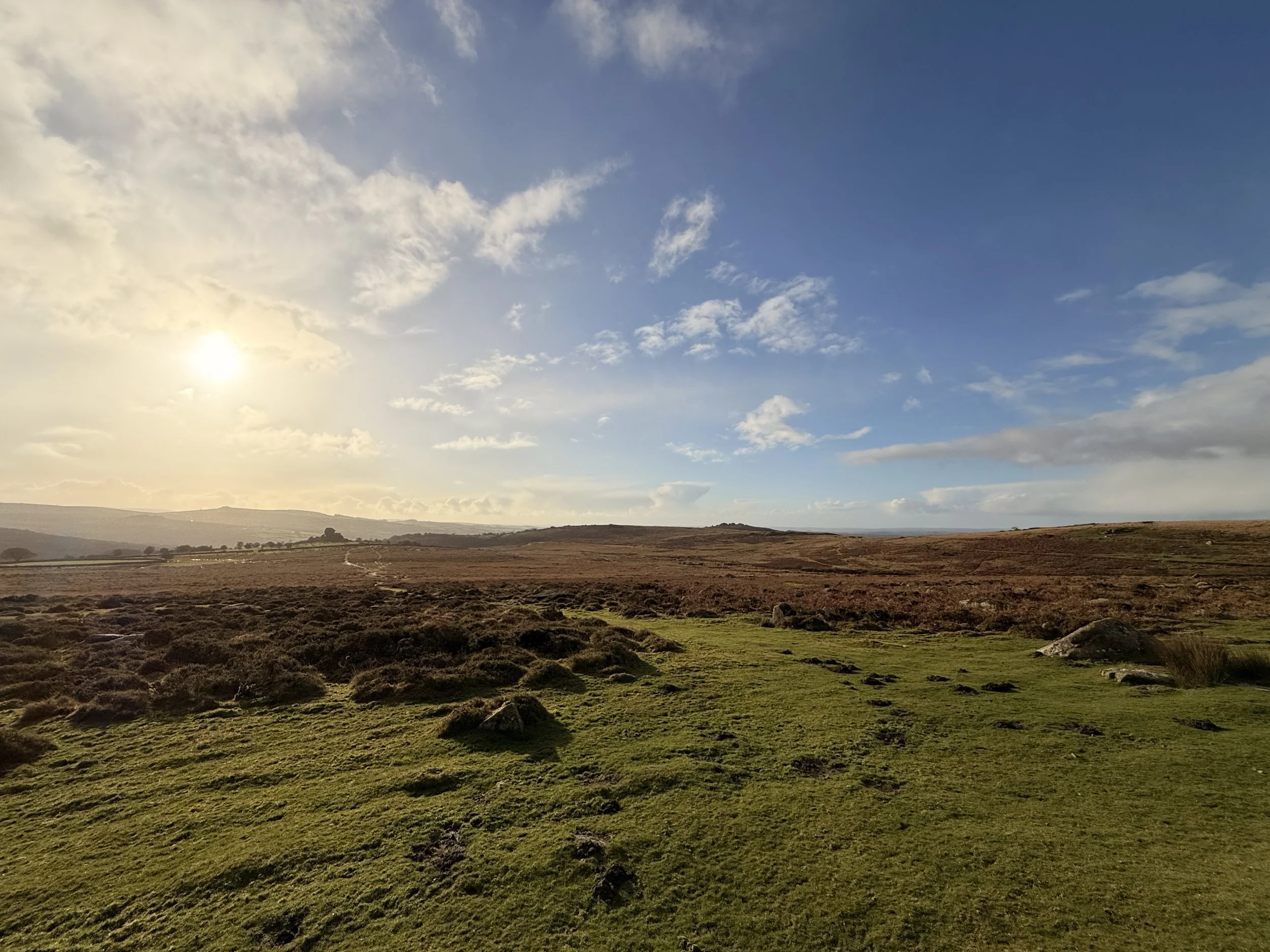
Bodmin Moor is one of Cornwall’s most hauntingly beautiful landscapes — a wild sweep of granite tors, ancient settlements, and windswept heath that has inspired storytellers for centuries. Dramatic, elemental, and often brooding, the moor feels deeply steeped in memory and myth.
Daphne du Maurier captured its atmosphere powerfully in Jamaica Inn, the historic coaching house that still stands on the moor’s edge and remains a favourite stop for visitors drawn to its smuggling lore. Nearby, the stark presence of Bodmin Jail tells a more sobering story of Cornwall’s past. Built in the late eighteenth century, the prison offers insight into crime, punishment, and social justice, reminding visitors that this is a landscape shaped as much by hardship and authority as by legend and romance.
Venture further onto the moor and the sense of mystery deepens. Dozmary Pool lies still and remote among the hills, long linked to Arthurian tradition and said by some to be the resting place of Excalibur. Elsewhere, the moor reveals layers of ancient belief and lived history: the dramatic rock stacks of the Cheesewring near Minions, the enigmatic stone enclosure known as King Arthur’s Hall, and quieter landmarks such as Jubilee Rock, carved with nineteenth‑century inscriptions. The woodland paths of Cardinham Woods offer a gentler counterpoint, where towering trees and shaded trails soften the moorland experience.
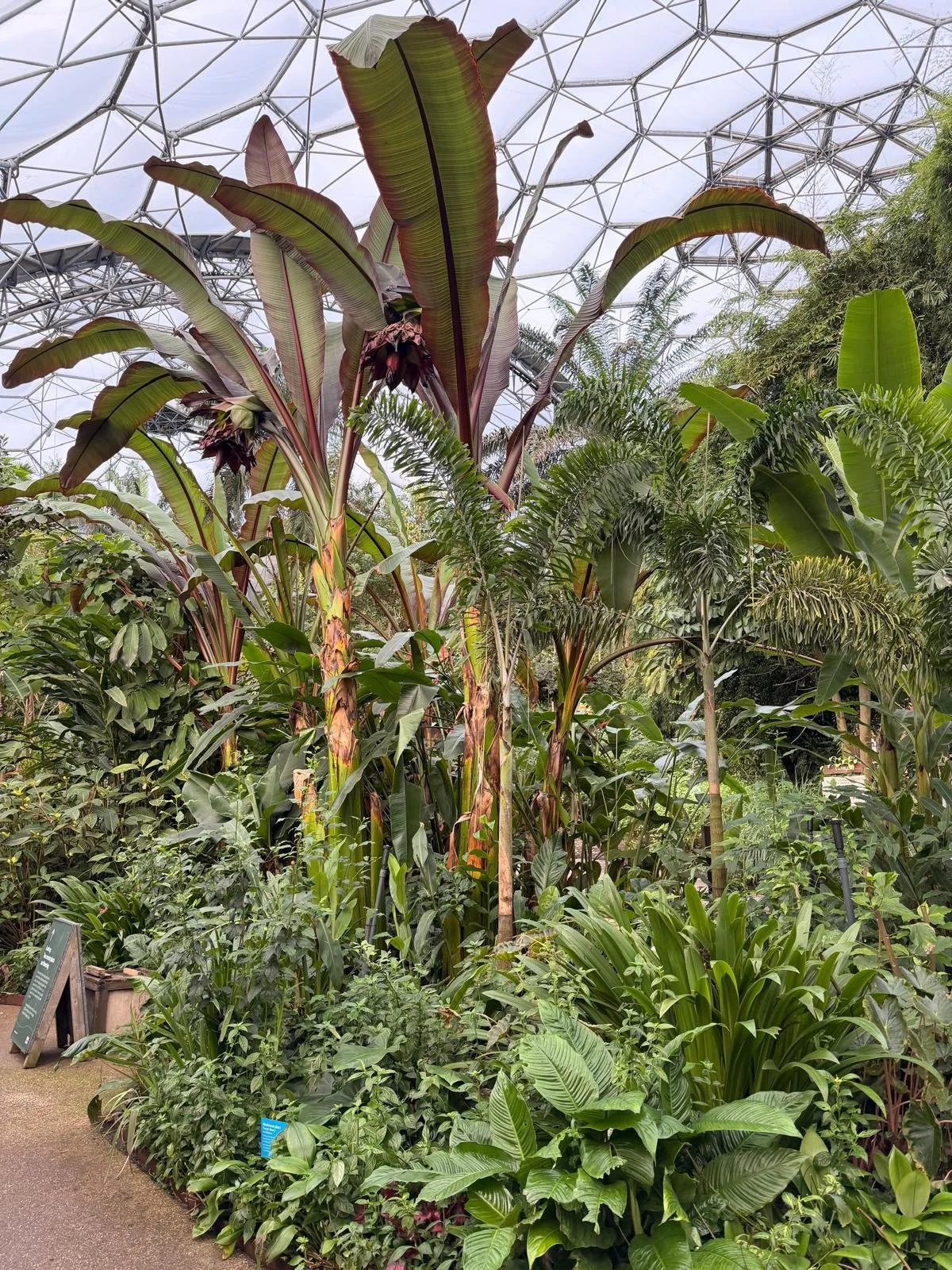
Beyond the high ground, the landscape eases into a sequence of richly rewarding destinations. The ancient stannary town of Lostwithiel offers riverside walks, antique shops, and the striking circular ruins of Restormel Castle, once a centre of medieval power. To the west, St Austell opens the door to some of Cornwall’s most celebrated attractions. Visitors can explore the heritage of St Austell Brewery, before discovering the dramatic transformation of industry and environment at the Eden Project and along the surrounding China Clay Trails.
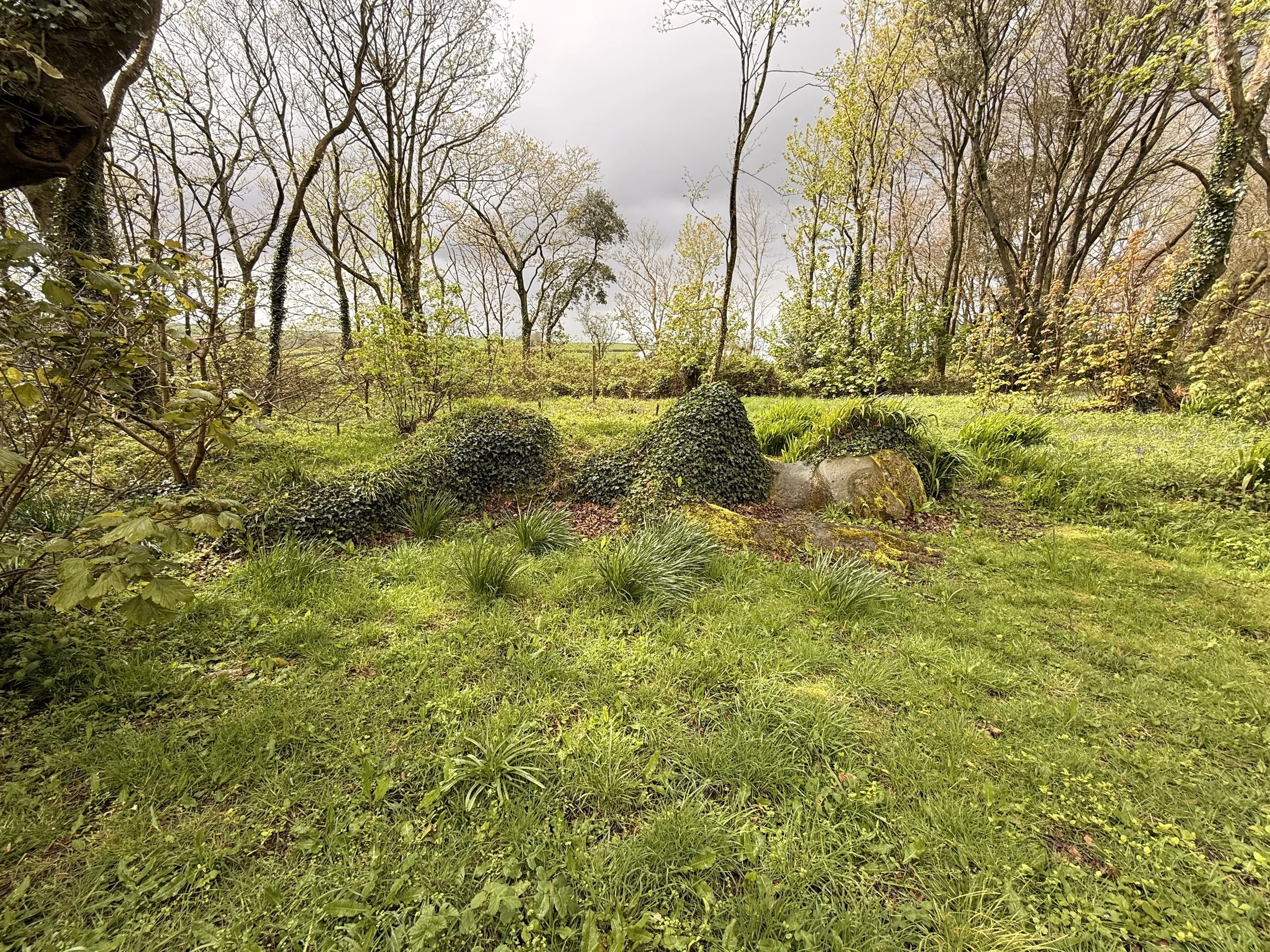
Nearby, the Lost Gardens of Heligan provide a marked change of mood — a once‑forgotten Victorian estate now restored into a lush, romantic landscape of exotic planting, woodland sculptures, and hidden pathways. Continue a little further and you reach Charlestown, a beautifully preserved Georgian harbour whose tall ships and quayside buildings evoke Cornwall’s maritime past.
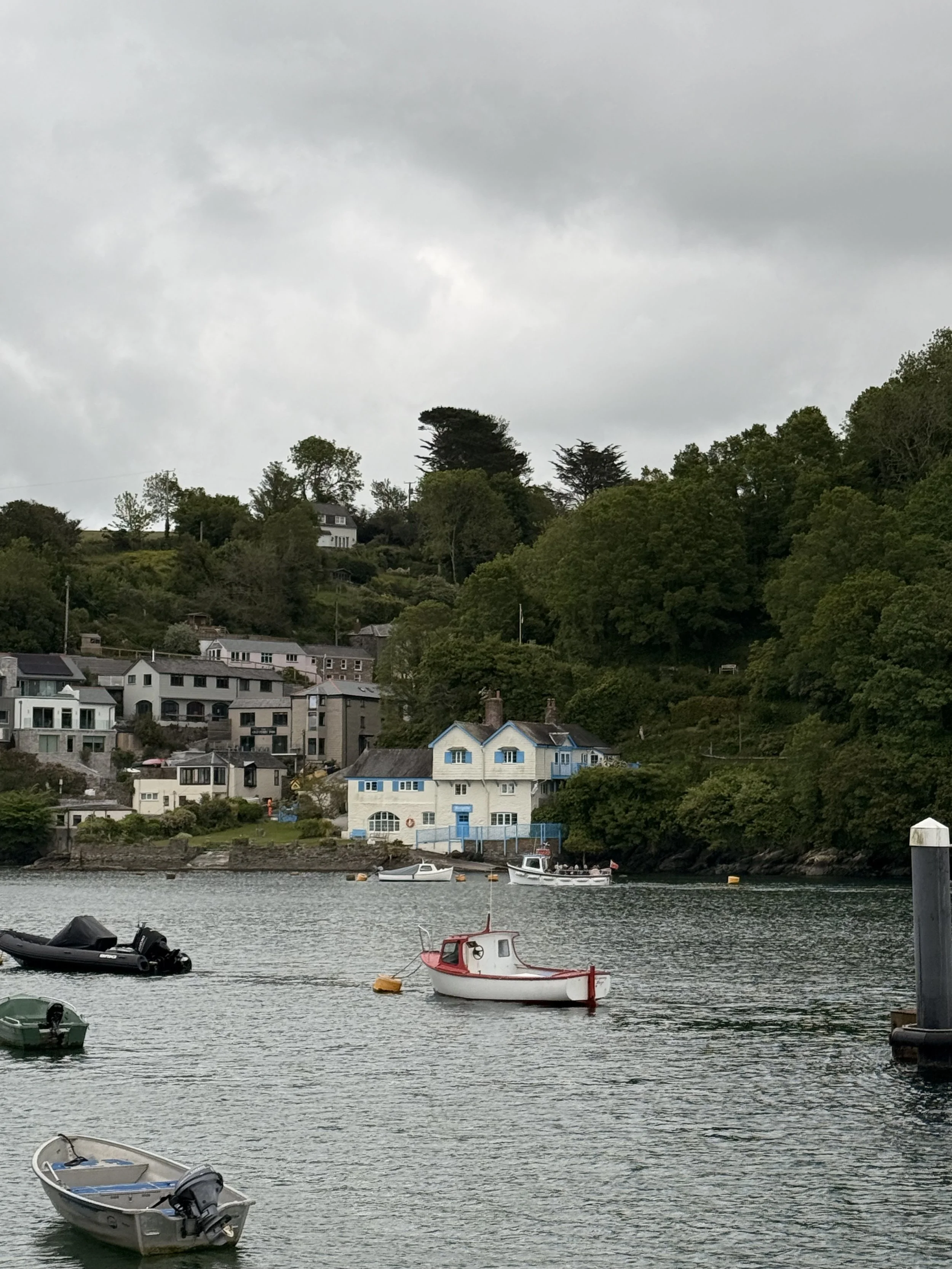
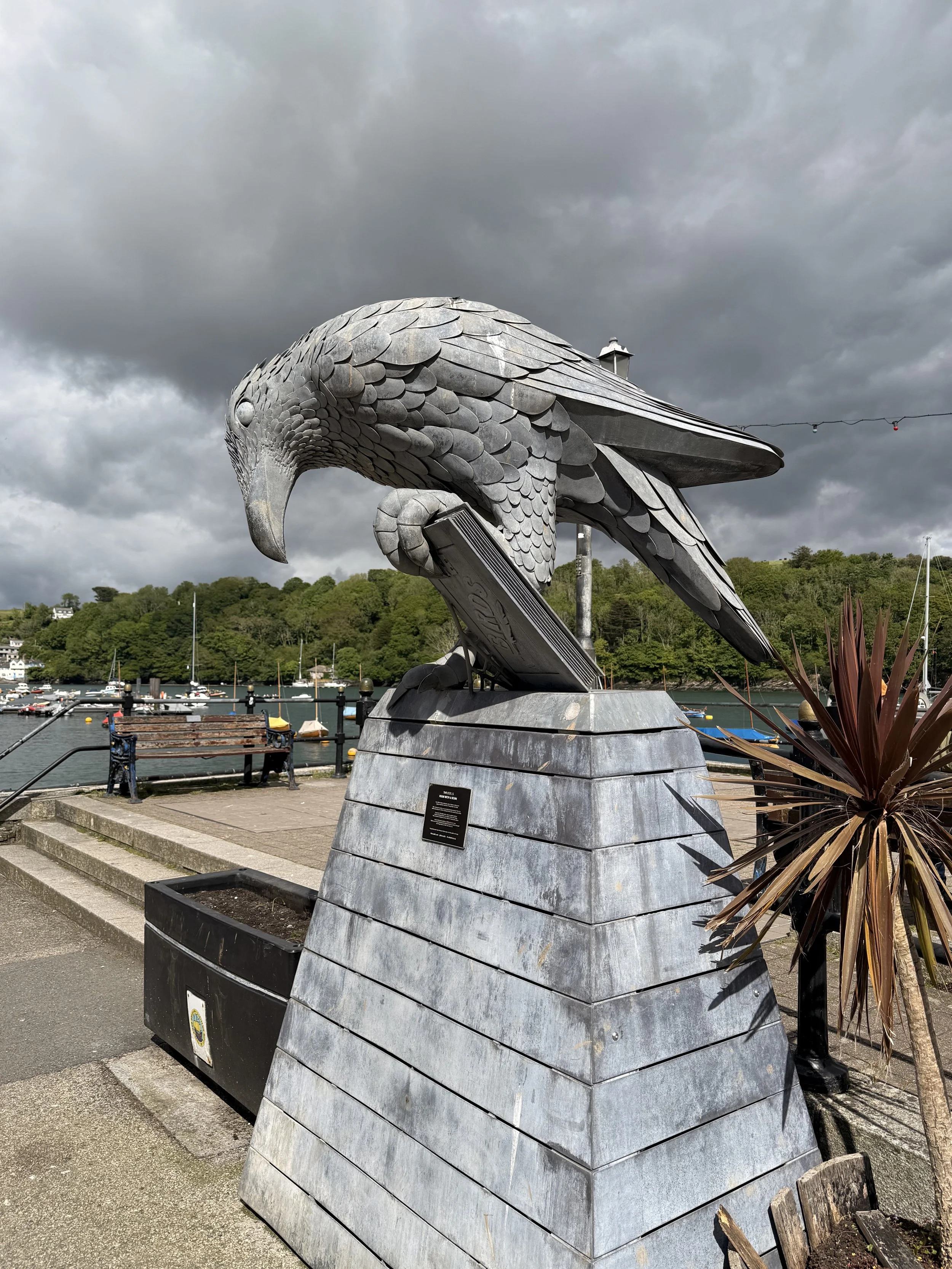
The coast itself adds another rich layer to the region’s story. The pretty fishing villages of Polperro and Looe cling to steep-sided valleys, long associated with smuggling, seafaring, and close‑knit coastal communities. Further west, the elegant harbour town of Fowey, closely associated with Daphne du Maurier, blends literary heritage with deep maritime roots, its sheltered estuary and historic streets offering yet another perspective on Cornwall’s relationship with the sea.
With its powerful blend of legend and literature, justice and hardship, wild moorland, gardens, and historic harbour towns, the wider Bodmin region offers a richly layered Cornish experience — one that rewards the curious traveller willing to look beyond the surface and explore the stories written into the land.